By James J. Gormley
Some years ago there developed a movement of people who wanted to convince society that doctors could decide whether to withhold, or withdraw, treatment for very sick, or "terminal," patients, "even over the objections of a competent patient."
The movement peaked in 1995 when 134 articles on the topic were published. Between June 1st 2006 and June 1st 2007, there were 75.
In 1992, in an article in the journal, Healthcare Ethics, the authors argued that "complete respect for patients' autonomy reduces the physician from a moral agent to an extension' of the patient's wishes."
God forbid!
Physicians are not moral agents. They are support staff in the job called "health." Mentally competent patients, and their immediate families, are the "moral agents. "
What bothers me is the presumption that care should be rationed for those of us who are the sickest, and moreso, that there's an outrageous assumption that because toxic drugs and invasive surgery (heroic measures) aren't working, then that means that "medicine" can do nothing else for this person.
Clearly, so-called "alternative" healing systems, such as Ayurvedic, Tibetan and Traditional Chinese Medicines, have been providing hope to people for over 4,500 years.
It would seem that mainstream medicine, then, is the "alternative," or new kid on the block. Since "medicine" encompasses so many valid healing systems, we cannot say that medicine has failed.
What has failed is hope. What has failed are the drugs and surgery. What has failed is our capacity to imagine. To imagine a totally different approach.
To imagine vibrant health. To pray. To go outside the bounds of an illness care system that has admitted defeat: medical futility.
An author on the topic wrote, "Talking to patients and their families should remain the focus of our efforts."
How true that is.
Saturday, January 08, 2011


Friday, January 07, 2011
Ribbonless Presents, Unwrapped Gifts
By James J. Gormley
Now that the holidays are over, it’s worth remembering that gifts don’t always come in shiny red paper with bright golden ribbons. One of the first gifts I received from my parents had no holiday packaging at all.
On cold winter nights, when I was two, my father, whom I would call Papa, and later “Pa,” would lie awake on the floor next to my crib to comfort me when I would awaken with a bad dream. That’s what a father is; that’s who my father is.
 I remember so many special times with my father and mother from my childhood. Me inside the shopping cart Pa pushed up the hill to the A and P. My father telling me the stories about how he and his father, the Old Man, would drive the horse-and-carriage along the Boston Post Road, in Mamaroneck, N.Y., before there were cars. Pa gently singing “All the Kings Horses and All the Kings Men” to me as a bedtime lullaby. Playing catch at Bowne Park in Flushing, N.Y., where I grew up. Walking Rexie, my dog, along the tracks of the Long Island Railroad.
My father and mother gave me so many things, ribbon-less presents that I can never reciprocate. Priceless gifts of love, time, caring, wisdom and so much more. I hope Pa knows and Ma knew how special they have always been to me, even if I haven’t always shown it.
Now that the holiday season is over, remember that exchanging presents isn’t the only way to show appreciation to the people who have made a difference in your life. Your gifts to them don’t have to be fancy or trendy or expensive or wrapped in shiny red paper with bright golden ribbons.
Offer them your gratitude to honor, in a small way, all of the many unwrapped gifts they have given you.
Now that the holidays are over, it’s worth remembering that gifts don’t always come in shiny red paper with bright golden ribbons. One of the first gifts I received from my parents had no holiday packaging at all.
On cold winter nights, when I was two, my father, whom I would call Papa, and later “Pa,” would lie awake on the floor next to my crib to comfort me when I would awaken with a bad dream. That’s what a father is; that’s who my father is.

My father and mother gave me so many things, ribbon-less presents that I can never reciprocate. Priceless gifts of love, time, caring, wisdom and so much more. I hope Pa knows and Ma knew how special they have always been to me, even if I haven’t always shown it.
Now that the holiday season is over, remember that exchanging presents isn’t the only way to show appreciation to the people who have made a difference in your life. Your gifts to them don’t have to be fancy or trendy or expensive or wrapped in shiny red paper with bright golden ribbons.
Offer them your gratitude to honor, in a small way, all of the many unwrapped gifts they have given you.
Thursday, January 06, 2011
New Year, New You!
By James J. Gormley
New Year’s means change. It also means tradition, or that which doesn’t change.
When I was little, the night of December 31st was not New Year’s Eve until I sat down with my parents to watch Guy Lombardo and His Montreal Canadians. It wasn’t New Year’s until my grandmother reminded me to put a shiny quarter out on the windowsill so that the new year would be prosperous, or until the ball dropped in Times Square.
There was no “Rockin’ New Year’s Eve,” and definitely no televised California New Year’s with fake snow and people jumping up and down for the cameras, screaming at 9:00 p.m. Pacific Standard Time.
New Year’s Eve was not always celebrated with drunken revelry and blasts from toy horns, however. In ancient times, and even in some mainstream religions today, the New Year is a time for reflection on the past and hope for the future.
New Year’s, today, can be a curious mixture of the old and the new, the completed and the yet to be. As we usher in this new year, let’s not feel like powerless beings swept along by the unrelenting forces of time.
 Let’s embrace the New Year and its challenges. Whatever changes we are faced with, we can be the rulers over our lives. We can transform tragedy into positive energy. We can go forward, then, with a new perspective or a new appreciation for life, itself, and all that which makes it worth living.
Each of us has within ourselves the capacity for change, the capacity for (and right to) happiness and the power to take charge of our lives.
Let’s tap into these energies now, as we enter this new year.
New Year’s means change. It also means tradition, or that which doesn’t change.
 |
| Guy Lombardo |
There was no “Rockin’ New Year’s Eve,” and definitely no televised California New Year’s with fake snow and people jumping up and down for the cameras, screaming at 9:00 p.m. Pacific Standard Time.
New Year’s Eve was not always celebrated with drunken revelry and blasts from toy horns, however. In ancient times, and even in some mainstream religions today, the New Year is a time for reflection on the past and hope for the future.
New Year’s, today, can be a curious mixture of the old and the new, the completed and the yet to be. As we usher in this new year, let’s not feel like powerless beings swept along by the unrelenting forces of time.
Each of us has within ourselves the capacity for change, the capacity for (and right to) happiness and the power to take charge of our lives.
Let’s tap into these energies now, as we enter this new year.
Wednesday, January 05, 2011
‘Supplements Are Safe, Healthful and Well-Regulated’!
By James J. Gormley
![good_day_ny[1]](https://blogger.googleusercontent.com/img/b/R29vZ2xl/AVvXsEiV9obG2z6A5Kd4qzNmeL8Kcggso3YGsRVVJxtuFy71QweuTMXBcq3HByxfDes8J4fGtAhHFobXze9r4zAbEVY_NkYvUmouT3bW5pWjqQ6UVhSJaARluLTW-5ybx78e8OEVbNMHew/?imgmax=800 "good_day_ny[1]") On March 25th, 1999, I was part of a live television debate on FOX-TV’s “Good Day New York” with a drug industry attorney on the topic: “Are dietary supplements regulated?”(1)
On March 25th, 1999, I was part of a live television debate on FOX-TV’s “Good Day New York” with a drug industry attorney on the topic: “Are dietary supplements regulated?”(1)
Needless to say, with all of the facts showing how well regulated dietary supplements were then, winning the debate was not a difficult accomplishment; I even had the host, Jim Ryan, on the side of supplement consumers about midway through the segment.
In fact, the regulations and laws governing nutritional supplements in 2011 are even more stringent than they were in 1999, when I did that show.
 According to attorney Peter Barton Hutt, the “bedrock food safety requirement that has been the foundation of the American food supply since 1906 — the prohibition of poisonous or deleterious substances in food—applies equally to dietary supplements and conventional food” (2).
Supplements: A Super-Regulated Category
Today, dietary supplements have the following requirements and controls over them:
![fda-logo[1]](https://blogger.googleusercontent.com/img/b/R29vZ2xl/AVvXsEhfHv1P8vL0cpOfCz5CvXfcCYHG06R7smGnxhLf9HOtNuyhMz0D1-yF0PNcuIuNkaxzIXrZ5Ae_Jt8TIRhuDtQm_-Amnw4JU0A7X6qalSZHEM2jM7vb7UDdw7oS0g56zjeoRb5XuA/?imgmax=800 "fda-logo[1]") In fact, broadly speaking, the laws governing supplements under the umbrella of the Food Drug and Cosmetic Act (FD and C) are: the Nutrition Labeling and Education Act of 1990 (NLEA); the Dietary Supplement Health and Education Act of 1994 (DSHEA); the Bioterrorism Act of 2002; the Food Allergen Labeling an Consumer Protection Act of 2004; the Dietary Supplement and Non-Prescription Drug Consumer Protection Act of 2006 (AER Law); and Federal GMPs.
In fact, broadly speaking, the laws governing supplements under the umbrella of the Food Drug and Cosmetic Act (FD and C) are: the Nutrition Labeling and Education Act of 1990 (NLEA); the Dietary Supplement Health and Education Act of 1994 (DSHEA); the Bioterrorism Act of 2002; the Food Allergen Labeling an Consumer Protection Act of 2004; the Dietary Supplement and Non-Prescription Drug Consumer Protection Act of 2006 (AER Law); and Federal GMPs.
Regarding dietary supplements, the FDA has significant powers, including (but not limited to) the authority to:
 Likewise, the FTC has a great deal of surveillance and enforcement powers that it uses for dietary supplements, including the ability to: challenge and stop advertising that is not sufficiently substantiated; negotiate a consent order for a company to change or fix its promotional, marketing or advertising practices; and to seek substantial civil penalties for violations of trade regulation rules or violations of cease and desist orders.
 So Why Do We Keep Hearing About Supplements Being Unregulated?
Part of the problem is the media.
As I noted way back in 1999 (1), despite powerful and authoritative research underpinning many of the most popular supplements today, the mainstream media appear to be on a planet where this research is unavailable or incomprehensible.
The FDA itself has also been stoking the misinformation fires about the supplement regulations that it is mandated to implement and enforce. As I noted in July 2009, “The FDA should cooperate with the responsible core of the natural products industry rather than criticizing the very laws that the American people saw fit to pass and which the FDA is sworn to uphold and enforce” (3).
Dietary supplements have “always been regulated as a category of food in this country, and DSHEA did not change that,” according to the Council for Responsible Nutrition (CRN) (4).
 “Dietary supplements are not regulated as drugs because they are not drugs,” added Jeffrey Blumberg, PhD, FACN, director of the Antioxidants Research Laboratory at the Jean Mayer USDA Human Nutrition Research Center on Aging, at Tufts University (3).
According to Hutt, it is “apparent that FDA has adequate statutory authority to assure the safety of both dietary ingredients and conventional food ingredients” (2).
In fact, Hutt adds that the “safety provisions under the FD and C Act applicable to dietary supplements would appear to be stronger than those applicable to conventional food.”
‘Supplements Are Safe, Healthful and Well-Regulated’ may not be a very “sexy” story title as they go, but it is one that really should be front-page news.
Gormley Take-Away: Given all of the recent drug recalls and food contamination outbreaks, I would be much more concerned about the safety of pharmaceuticals and conventional foods than about dietary supplements if I were the average consumer advocate, legislator or reporter. Looking at the powerful safety record of dietary supplements, now officially demonstrated via the AER Law, I would consider beating a different drum than the one associated with unwarranted and uninformed attacks on supplements.
REFERENCES
1. Gormley J. Mass media is unregulated [Editor’s Desk]. Better Nutrition. August 1999.
2. Hutt PB. FDA Statutory Authority to Regulate The Safety of Dietary Supplements [White Paper]. Covington and Burling, June 6, 2003.
3. Gormley J. Making the ‘cut’: What the latest recall tells us … and doesn’t. The Gormley Files. July 21, 2009.
4. Council for Responsible Nutrition. Dietary supplements: Safe, beneficial and regulated. Revised December 2009. Accessible at: http://www.crnusa.org/CRNRegQandA.html
![good_day_ny[1]](https://blogger.googleusercontent.com/img/b/R29vZ2xl/AVvXsEhWJEtE7jBHLKkw1OsFO34jVqt3yWPfubq0fsZtSHhcI0kBLzcowwA5D6M5tVlDBGWpPSyy4yGenCJK2O3WpLpn_bW0Pvt0Dbt8gH3AtFFWIXS855gAXcDpGD7HtTKwBEjEE0MM7A/s1600-h/good_day_ny%5B1%5D%5B5%5D.jpg "good_day_ny[1]") On March 25th, 1999, I was part of a live television debate on FOX-TV’s “Good Day New York” with a drug industry attorney on the topic: “Are dietary supplements regulated?”(1)
On March 25th, 1999, I was part of a live television debate on FOX-TV’s “Good Day New York” with a drug industry attorney on the topic: “Are dietary supplements regulated?”(1) Needless to say, with all of the facts showing how well regulated dietary supplements were then, winning the debate was not a difficult accomplishment; I even had the host, Jim Ryan, on the side of supplement consumers about midway through the segment.
In fact, the regulations and laws governing nutritional supplements in 2011 are even more stringent than they were in 1999, when I did that show.
Supplements: A Super-Regulated Category
Today, dietary supplements have the following requirements and controls over them:
- Pre-market notification to the U.S. Food and Drug Administration (FDA)—not required for drugs or medical devices.
- Labeling.
- Mandatory adverse event (side effect or reaction) reporting to the FDA (not required for foods).
- FDA Good Manufacturing Practices (GMPs).
- Facility registration (for the FDA).
- Advertising (by the U.S. Federal Trade Commission).
![fda-logo[1]](https://blogger.googleusercontent.com/img/b/R29vZ2xl/AVvXsEjxQ2B77HF6_HbEG07FvQEPUwMirHmmsl-LQ2aDzax2FwsITOym_pkDBShC0kmceXGwgZgIfWzJi1zigq0ie3o-A9xdecCscl6wv9UtwApSwqz_zZaJVh2703z34IDiJ1x5DfzicA/s1600-h/fda-logo%5B1%5D%5B11%5D.jpg "fda-logo[1]") In fact, broadly speaking, the laws governing supplements under the umbrella of the Food Drug and Cosmetic Act (FD and C) are: the Nutrition Labeling and Education Act of 1990 (NLEA); the Dietary Supplement Health and Education Act of 1994 (DSHEA); the Bioterrorism Act of 2002; the Food Allergen Labeling an Consumer Protection Act of 2004; the Dietary Supplement and Non-Prescription Drug Consumer Protection Act of 2006 (AER Law); and Federal GMPs.
In fact, broadly speaking, the laws governing supplements under the umbrella of the Food Drug and Cosmetic Act (FD and C) are: the Nutrition Labeling and Education Act of 1990 (NLEA); the Dietary Supplement Health and Education Act of 1994 (DSHEA); the Bioterrorism Act of 2002; the Food Allergen Labeling an Consumer Protection Act of 2004; the Dietary Supplement and Non-Prescription Drug Consumer Protection Act of 2006 (AER Law); and Federal GMPs. Regarding dietary supplements, the FDA has significant powers, including (but not limited to) the authority to:
- Stop a company from selling any dietary supplement that is unsanitary or unsafe.
- Stop the sale of any dietary supplement that makes false or non-substantiated claims on its labeling.
- Stop the sale of any nutritional supplement that poses “a significant or unreasonable risk of illness or injury.”
- Block a new dietary ingredient (NDI) from being marketed if the agency does not receive enough safety information in advance.
 Likewise, the FTC has a great deal of surveillance and enforcement powers that it uses for dietary supplements, including the ability to: challenge and stop advertising that is not sufficiently substantiated; negotiate a consent order for a company to change or fix its promotional, marketing or advertising practices; and to seek substantial civil penalties for violations of trade regulation rules or violations of cease and desist orders.
  So Why Do We Keep Hearing About Supplements Being Unregulated?
 Part of the problem is the media.
As I noted way back in 1999 (1), despite powerful and authoritative research underpinning many of the most popular supplements today, the mainstream media appear to be on a planet where this research is unavailable or incomprehensible.
The FDA itself has also been stoking the misinformation fires about the supplement regulations that it is mandated to implement and enforce. As I noted in July 2009, “The FDA should cooperate with the responsible core of the natural products industry rather than criticizing the very laws that the American people saw fit to pass and which the FDA is sworn to uphold and enforce” (3).
Dietary supplements have “always been regulated as a category of food in this country, and DSHEA did not change that,” according to the Council for Responsible Nutrition (CRN) (4).
According to Hutt, it is “apparent that FDA has adequate statutory authority to assure the safety of both dietary ingredients and conventional food ingredients” (2).
In fact, Hutt adds that the “safety provisions under the FD and C Act applicable to dietary supplements would appear to be stronger than those applicable to conventional food.”
‘Supplements Are Safe, Healthful and Well-Regulated’ may not be a very “sexy” story title as they go, but it is one that really should be front-page news.
Gormley Take-Away: Given all of the recent drug recalls and food contamination outbreaks, I would be much more concerned about the safety of pharmaceuticals and conventional foods than about dietary supplements if I were the average consumer advocate, legislator or reporter. Looking at the powerful safety record of dietary supplements, now officially demonstrated via the AER Law, I would consider beating a different drum than the one associated with unwarranted and uninformed attacks on supplements.
REFERENCES
1. Gormley J. Mass media is unregulated [Editor’s Desk]. Better Nutrition. August 1999.
2. Hutt PB. FDA Statutory Authority to Regulate The Safety of Dietary Supplements [White Paper]. Covington and Burling, June 6, 2003.
3. Gormley J. Making the ‘cut’: What the latest recall tells us … and doesn’t. The Gormley Files. July 21, 2009.
4. Council for Responsible Nutrition. Dietary supplements: Safe, beneficial and regulated. Revised December 2009. Accessible at: http://www.crnusa.org/CRNRegQandA.html
Tuesday, January 04, 2011
Which is the real bioterrorism?
By James J. Gormley
Recently, I was thinking about the many ways in which nature's balance and our bodies are thrown off kilter by toxins,allergens and disease.
Many of the imbalances are the result of a complex web of disastrously irrational environmental and industrial policies. In most cases, however, the poisoning of our world is not generally considered wantonly malicious, in the strictest sense of that term.
In general, we try to deal with these assaults on our bodily systems' living order (homeostasis) by attempting to purify the body — by identifying toxins and allergens and reducing our exposure to them, supporting the liver and cleaning up the diet.
However, in a post 9/11 world threatened, or haunted, by the specter of biological and chemical warfare, it was not without a degree of trepidation that I happened upon an old article in the New England Journal of Medicine, entitled "Mass Psychogenic Illness Attributed to Toxic Exposure at a High School."
 Although the word "psychogenic" is a tip-off that the authors concluded that people were imagining things, I was very curious as to what went on.
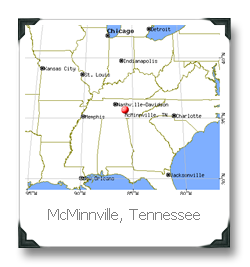
Apparently, in November 1998, a teacher at a high school in Tennessee smelled a gasoline-like odor in her classroom. Then she, and others, began to experience such symptoms as headache, nausea, shortness of breath and dizziness.
The school was evacuated, and 80 students and 19 staff members went to a local emergency room; 38 people were hospitalized overnight. Five days later, after the school had reopened, 71 people went to the emergency room.
Although "extensive investigations" were carried out by several government agencies, the authors said: "We were unable to find a medical or environmental explanation for the reported illnesses," and that the illness — although similar to symptoms reported by victims of "bioterrorism" — "bore the "major features of psychogenic shock."
In other words, although over 170 people went to the hospital over the course of five days, they were all, presumably, suffering from some kind of mass hysteria; they were all just imagining things.
 Were the Operation Desert Storm veterans all just imagining things, too?
And what about the biological warfare the United States allegedly conducted in Korea in 1952 and 1953, which was said to include plague and anthrax bacilii. Was our entire biological warfare effort just something we imagined, as well?
I wish it were.
Whenever there is something that doesn't offer up immediate scientific validation in neon lights, then, clearly, mainstream medicine's easiest solution is to dismiss it as a figment of an overactive imagination or "mass hysteria."
I truly would like to believe that people in McMinnville, Tennessee, just freaked out for 5 days. I'd also like to believe that a whole host of serious autoimmune disorders, such as chronic fatigue syndrome, are all just products of "psychogenic shock."
But, unfortunately, they're not. And the sooner mainstream medicine, and, our "guardians of public health," come to terms with the fact that our inability to immediately put a "pre-printed label" on a given symptom picture is not, in any way, a determination that a patient is imagining things, the sooner mainstream medicine will come closer to where holistic medicine has always been.
Until then, we have to ask ourselves: where is the real bioterrorism?
Is it a missile carrying plague, or is it when medicine sabotages health, and truth, in a quest for easy answers?
Recently, I was thinking about the many ways in which nature's balance and our bodies are thrown off kilter by toxins,allergens and disease.
Many of the imbalances are the result of a complex web of disastrously irrational environmental and industrial policies. In most cases, however, the poisoning of our world is not generally considered wantonly malicious, in the strictest sense of that term.
In general, we try to deal with these assaults on our bodily systems' living order (homeostasis) by attempting to purify the body — by identifying toxins and allergens and reducing our exposure to them, supporting the liver and cleaning up the diet.
However, in a post 9/11 world threatened, or haunted, by the specter of biological and chemical warfare, it was not without a degree of trepidation that I happened upon an old article in the New England Journal of Medicine, entitled "Mass Psychogenic Illness Attributed to Toxic Exposure at a High School."

Apparently, in November 1998, a teacher at a high school in Tennessee smelled a gasoline-like odor in her classroom. Then she, and others, began to experience such symptoms as headache, nausea, shortness of breath and dizziness.
The school was evacuated, and 80 students and 19 staff members went to a local emergency room; 38 people were hospitalized overnight. Five days later, after the school had reopened, 71 people went to the emergency room.
Although "extensive investigations" were carried out by several government agencies, the authors said: "We were unable to find a medical or environmental explanation for the reported illnesses," and that the illness — although similar to symptoms reported by victims of "bioterrorism" — "bore the "major features of psychogenic shock."
In other words, although over 170 people went to the hospital over the course of five days, they were all, presumably, suffering from some kind of mass hysteria; they were all just imagining things.

And what about the biological warfare the United States allegedly conducted in Korea in 1952 and 1953, which was said to include plague and anthrax bacilii. Was our entire biological warfare effort just something we imagined, as well?
I wish it were.
Whenever there is something that doesn't offer up immediate scientific validation in neon lights, then, clearly, mainstream medicine's easiest solution is to dismiss it as a figment of an overactive imagination or "mass hysteria."
I truly would like to believe that people in McMinnville, Tennessee, just freaked out for 5 days. I'd also like to believe that a whole host of serious autoimmune disorders, such as chronic fatigue syndrome, are all just products of "psychogenic shock."
But, unfortunately, they're not. And the sooner mainstream medicine, and, our "guardians of public health," come to terms with the fact that our inability to immediately put a "pre-printed label" on a given symptom picture is not, in any way, a determination that a patient is imagining things, the sooner mainstream medicine will come closer to where holistic medicine has always been.
Until then, we have to ask ourselves: where is the real bioterrorism?
Is it a missile carrying plague, or is it when medicine sabotages health, and truth, in a quest for easy answers?
Monday, January 03, 2011
Good Intentions Do Not A Good Bill Make; President Obama Must Veto This Bill
By James J. Gormley
President Obama is waiting to hear from you, your neighbors, your brothers, your sisters, your parents — and all of America — as to whether to sign the "food safety bill" into law.
If you agree with all of the problems we have identified with this bill — or even with most of them — I ask you to please go to the White House comment page and ask the President to veto this bill.
It’s not that the bill is meant to disrupt the American Way of Life or forever change the fabric of our great nation. It is not badly intentioned. It even has some decent provisions in it. On top of that, dietary supplements were ostensibly excluded, as were farms and small food-service operations.
The problem is not what was intended, or what FDA Commissioner Hamburg believes is in this bill. The problem is that the bill’s advocates and many of its supporters were all sold a bill of goods.
The fact is that FSMA will do very little to improve food safety; and, in truth, by obscuring the real core of our nation’s food safety problems with layer upon layer of HACCP requirements, and food allergenicity protections and food safety recordkeeping plans — and all of the $1.4 billion worth of stuff (red tape and feel good busywork) in this bill — this bill would actually make things worse.
Why? Because while Dr. Hamburg and the bill’s cheerleaders are busy shaking hands, and slapping each other on the back as to what an amazing bill this is (which it is not), the disgusting factory farms and filthy slaughterhouses in this country — which are the real problems with our food supply, let’s face it — will not be made any less filthy by this $1.4 billion boondoggle.
What are the remaining problems with this bill that make it un-signable?
If the FDA (Secretary of the HHS) has a “reasonable belief” or feels there is a “reasonable probability” that a food is unsafe, records inspections must be carried out and foods can be quarantined. The FDA has a long and sordid history of abusing this power by making assumptions that hurt food producers, and ultimately consumers.
The FDA already believes (without a shred of evidence) that raw milk and raw milk cheeses are unsafe — wouldn’t this be the perfect opportunity for the FDA to close down a cottage industry towards which it has always held such animus?
Now while it is potentially good that the bill includes a proviso (in Section 113) calling for dietary supplement products (that’s why I said ostensibly excludes, above) that may contain (or may be) anabolic steroids to be referred to the DEA, the problem is that that it is way too vague: "may contain" is not definitive enough by a long stretch, which opens the doors for the FDA to believe that many supplements “may contain” anabolic steroids, and hurt legitimate manufacturers in the process.
Section 423 offers manufactuers an opportunity to voluntarily take a product off the market and recall it if the FDA feels that there is a “reasonable probability” that an article of food is misbranded. Well, here we go again; the FDA has time and again greatly overarched in its authority in these areas, often calling products “misbranded” for the smallest mistake in a nutrition facts or product label.
Section 404 insists that nothing in the bill shall in any way be inconsistent with the World Trade Organization or any other international treaty or agreement to which the U.S. is a party! Okay, again, can anyone explain why (I ask why) domestic, sovereign, internal U.S. laws and regulations need to be consistent with international treaties and agreements (such as Codex)?
Section 420 calls for limited distribution of the guidance documents that food producers would need in order to comply with this law in the interests of “national security.” This says that although food facilties will be required to comply with this new law, if the U.S. government does not feel like releasing instructions and guidance on how to properly comply with the requirements, it does not have to, if blanketed under the usual sacred cow of “national security.” Outrageous!
FDA Commissioner Margaret A. Hamburg MD truly believes that the Food Safety Modernization Act (FSMA) is the greatest thing ever. Sadly, it is not worthy of the President’s signature and was railroaded through Congress under suspended rules and other legislative sleight of hand.
I ask you to tell President Obama to please veto this bill; we will work together on coming up with an alternative bill in 2011 that will be signature-worthy.
President Obama is waiting to hear from you, your neighbors, your brothers, your sisters, your parents — and all of America — as to whether to sign the "food safety bill" into law.
If you agree with all of the problems we have identified with this bill — or even with most of them — I ask you to please go to the White House comment page and ask the President to veto this bill.
It’s not that the bill is meant to disrupt the American Way of Life or forever change the fabric of our great nation. It is not badly intentioned. It even has some decent provisions in it. On top of that, dietary supplements were ostensibly excluded, as were farms and small food-service operations.
The problem is not what was intended, or what FDA Commissioner Hamburg believes is in this bill. The problem is that the bill’s advocates and many of its supporters were all sold a bill of goods.
The fact is that FSMA will do very little to improve food safety; and, in truth, by obscuring the real core of our nation’s food safety problems with layer upon layer of HACCP requirements, and food allergenicity protections and food safety recordkeeping plans — and all of the $1.4 billion worth of stuff (red tape and feel good busywork) in this bill — this bill would actually make things worse.
Why? Because while Dr. Hamburg and the bill’s cheerleaders are busy shaking hands, and slapping each other on the back as to what an amazing bill this is (which it is not), the disgusting factory farms and filthy slaughterhouses in this country — which are the real problems with our food supply, let’s face it — will not be made any less filthy by this $1.4 billion boondoggle.
What are the remaining problems with this bill that make it un-signable?
If the FDA (Secretary of the HHS) has a “reasonable belief” or feels there is a “reasonable probability” that a food is unsafe, records inspections must be carried out and foods can be quarantined. The FDA has a long and sordid history of abusing this power by making assumptions that hurt food producers, and ultimately consumers.
The FDA already believes (without a shred of evidence) that raw milk and raw milk cheeses are unsafe — wouldn’t this be the perfect opportunity for the FDA to close down a cottage industry towards which it has always held such animus?
Now while it is potentially good that the bill includes a proviso (in Section 113) calling for dietary supplement products (that’s why I said ostensibly excludes, above) that may contain (or may be) anabolic steroids to be referred to the DEA, the problem is that that it is way too vague: "may contain" is not definitive enough by a long stretch, which opens the doors for the FDA to believe that many supplements “may contain” anabolic steroids, and hurt legitimate manufacturers in the process.
Section 423 offers manufactuers an opportunity to voluntarily take a product off the market and recall it if the FDA feels that there is a “reasonable probability” that an article of food is misbranded. Well, here we go again; the FDA has time and again greatly overarched in its authority in these areas, often calling products “misbranded” for the smallest mistake in a nutrition facts or product label.
Section 404 insists that nothing in the bill shall in any way be inconsistent with the World Trade Organization or any other international treaty or agreement to which the U.S. is a party! Okay, again, can anyone explain why (I ask why) domestic, sovereign, internal U.S. laws and regulations need to be consistent with international treaties and agreements (such as Codex)?
Section 420 calls for limited distribution of the guidance documents that food producers would need in order to comply with this law in the interests of “national security.” This says that although food facilties will be required to comply with this new law, if the U.S. government does not feel like releasing instructions and guidance on how to properly comply with the requirements, it does not have to, if blanketed under the usual sacred cow of “national security.” Outrageous!
FDA Commissioner Margaret A. Hamburg MD truly believes that the Food Safety Modernization Act (FSMA) is the greatest thing ever. Sadly, it is not worthy of the President’s signature and was railroaded through Congress under suspended rules and other legislative sleight of hand.
I ask you to tell President Obama to please veto this bill; we will work together on coming up with an alternative bill in 2011 that will be signature-worthy.
Sunday, January 02, 2011
Escape from the Emergency Room
By James J. Gormley
I realized one day that I had a medical "situation," a male concern I had wondered about for a couple of months, yet had dealt with via the time-honored male tradition of "avoidance"-- if I pretend everything's okay, the problem will go away -- not exactly the best approach.
Scared about cancer, I sat down with my wife. We resolved to speak with a physician friend the next day, which I did. I was told: "Get thee to an emergency room," in no uncertain terms.
 Wracked with fear, I stepped into an emergency room in the Bronx, where I live, and I was shocked. Before me were hundreds of people waiting to be called -- victims of a world without a family doctor, statistics at the periphery of an HMO universe.
There was no hope in this room. Only desperation. Only sickness. Only pain. The room was dark and filthy, the staff looked shell-shocked, and the triage "window" was a l-inch-thick bulletproof barrier.
My heart sank. I felt a ball of worry in the pit of my stomach. I telephoned my car-service friend, Marvin, and asked him to pick me up and drive me to a hospital in Manhattan, one regarded as one of the finest medical institutions in the world.
 When the cab drove in along the graceful, flower-lined driveway, I thought that I was pulling up to a Hamptons dinner party, not to a place of X-rays and blood. There were only a couple of people waiting in the immaculate, "elegant" waiting room. I thought, "Now I'll be safe. Now I'm in good hands. "
Or not? The triage nurse ignored most of my questions, and I wound up in a room within the bowels of the E.R. Freezing in a hospital gown, I was examined by a surgeon who was compassionate yet overworked. He informed me that I would need ultrasound testing, and that a urologist would have to see me.
After he left, a nurse ordered me to vacate the room, since they needed it for an "eye injury." I painfully climbed down (without a step-stool) and found myself, ignominiously, having to climb up onto a stretcher in the hallway.
About 2 hours went by before transporters came to bring me to ultrasound. When I was brought back to the E.R., I was deposited in a wheelchair and forgotten.
When my meal arrived (for which I had to practically beg), the urologist intern showed up: 7 hours after I arrived, 4 hours after the ultrasound. He was very vague, and just didn't seem to care. He promised to give me the names of three urological surgeons, and sent me back to the nurse's station, where I waited another hour for my discharge instructions, which I could barely read.
When asked by one of the night-shift nurses, "Who was your nurse?," I told her that I had no idea -- that no one (except for the surgeon) had bothered to give me a name, or ask me if I was okay, or if I needed a sip of water ... anything at all.
 When I sit back, and try to process what this experience taught me, I'm left with this thought: It represents the very worst and the very best of what's horribly wrong and allegedly right about mainstream medicine today. It's high-tech but "low-heart," the apex of empirical skill yet the nadir of compassionate medicine.
In 1975, Ashley Montagu said, "One goes through [...] medical school and one's internship learning little, or nothing, about goodness, but a good deal about success."
Pity that goodness needs to be taught, and sad that this is a definition of success.
Is it any wonder that holistic medicine holds the key?
I realized one day that I had a medical "situation," a male concern I had wondered about for a couple of months, yet had dealt with via the time-honored male tradition of "avoidance"-- if I pretend everything's okay, the problem will go away -- not exactly the best approach.
Scared about cancer, I sat down with my wife. We resolved to speak with a physician friend the next day, which I did. I was told: "Get thee to an emergency room," in no uncertain terms.

There was no hope in this room. Only desperation. Only sickness. Only pain. The room was dark and filthy, the staff looked shell-shocked, and the triage "window" was a l-inch-thick bulletproof barrier.
My heart sank. I felt a ball of worry in the pit of my stomach. I telephoned my car-service friend, Marvin, and asked him to pick me up and drive me to a hospital in Manhattan, one regarded as one of the finest medical institutions in the world.

Or not? The triage nurse ignored most of my questions, and I wound up in a room within the bowels of the E.R. Freezing in a hospital gown, I was examined by a surgeon who was compassionate yet overworked. He informed me that I would need ultrasound testing, and that a urologist would have to see me.
After he left, a nurse ordered me to vacate the room, since they needed it for an "eye injury." I painfully climbed down (without a step-stool) and found myself, ignominiously, having to climb up onto a stretcher in the hallway.
About 2 hours went by before transporters came to bring me to ultrasound. When I was brought back to the E.R., I was deposited in a wheelchair and forgotten.
When my meal arrived (for which I had to practically beg), the urologist intern showed up: 7 hours after I arrived, 4 hours after the ultrasound. He was very vague, and just didn't seem to care. He promised to give me the names of three urological surgeons, and sent me back to the nurse's station, where I waited another hour for my discharge instructions, which I could barely read.
When asked by one of the night-shift nurses, "Who was your nurse?," I told her that I had no idea -- that no one (except for the surgeon) had bothered to give me a name, or ask me if I was okay, or if I needed a sip of water ... anything at all.

In 1975, Ashley Montagu said, "One goes through [...] medical school and one's internship learning little, or nothing, about goodness, but a good deal about success."
Pity that goodness needs to be taught, and sad that this is a definition of success.
Is it any wonder that holistic medicine holds the key?
Saturday, January 01, 2011
Do You Know Any April Fish?
By James J. Gormley
In 16th-century France, the start of the new year was observed on April 1st. It was celebrated like our New Year’s Eve is celebrated today. In 1562, however, Pope Gregory introduced a new calendar for the Christian world, and the new year then fell on January 1st.
There were some people, though, who hadn’t heard about the new date for New Year’s, or who didn’t believe it. They continued to celebrate New Year’s Day on April 1st. Other people thought that this was worthy of fun, and so played tricks on those April New Year’s revellers, calling them "April fools." The New Year’s cognoscenti would send their supposedly less-enlightened friends on a "fool’s errand" or would try to make them believe that something false was true.
In France, today, April 1st is called "Poisson d’Avril," or April Fish. French children try to fool their friends by taping a paper fish to their friends’ backs. When the "young fool" discovers the trick, the mischief maker yells "Poisson d’Avril!"
I often look at those agencies or organizations which will not recognize the power of nutritional healing as April fools. The world has changed, so they should get with the program! In the last century, especially after World War II, science and understanding of nutrition have grown by leaps and bounds.
Unfortunately, there are still those holdouts — some of whom sit on the Food and Nutrition Board, some of whom serve as public health officials, some of whom direct national heart- and diabetes-focused organizations, and some of whom claim to be science-based but are bought and paid for by big business.
I sometimes wonder what it could conceivably take to convince these holdouts as to the power of nutrition and holistic strategies to improve the health of the world. How many thousands of studies need to be done?
Will there ever be enough data for those whose livelihood, in some cases, seems to be tied to a market that promotes a sterile/unwholesome diet, that promotes the saturation of our earth with toxic pesticides and that prefers synthetic/invasive approaches to "health" over effective self-care options?
While we can’t change these attitudes very easily, we can commit ourselves to be among those who are aware that January 1st is considered New Year’s Day to much of the Western world, in other words — to be among those committed to a way of life that gives more credence to trusting ourselves and proven nutritional/herbal science over those who still buy into what can be called the school of illness care promotion, what is euphemistically termed "healthcare" by some.
 |
| Pope Gregory XIII |
There were some people, though, who hadn’t heard about the new date for New Year’s, or who didn’t believe it. They continued to celebrate New Year’s Day on April 1st. Other people thought that this was worthy of fun, and so played tricks on those April New Year’s revellers, calling them "April fools." The New Year’s cognoscenti would send their supposedly less-enlightened friends on a "fool’s errand" or would try to make them believe that something false was true.
 |
| Gregorian Calendar |
I often look at those agencies or organizations which will not recognize the power of nutritional healing as April fools. The world has changed, so they should get with the program! In the last century, especially after World War II, science and understanding of nutrition have grown by leaps and bounds.
Unfortunately, there are still those holdouts — some of whom sit on the Food and Nutrition Board, some of whom serve as public health officials, some of whom direct national heart- and diabetes-focused organizations, and some of whom claim to be science-based but are bought and paid for by big business.
I sometimes wonder what it could conceivably take to convince these holdouts as to the power of nutrition and holistic strategies to improve the health of the world. How many thousands of studies need to be done?
Will there ever be enough data for those whose livelihood, in some cases, seems to be tied to a market that promotes a sterile/unwholesome diet, that promotes the saturation of our earth with toxic pesticides and that prefers synthetic/invasive approaches to "health" over effective self-care options?
While we can’t change these attitudes very easily, we can commit ourselves to be among those who are aware that January 1st is considered New Year’s Day to much of the Western world, in other words — to be among those committed to a way of life that gives more credence to trusting ourselves and proven nutritional/herbal science over those who still buy into what can be called the school of illness care promotion, what is euphemistically termed "healthcare" by some.
Friday, December 31, 2010
Never Stop Dreaming
By James J. Gormley
 As I live through the sometimes dark and blustery, often cold and inhospitable, New York days of winter, I feel down sometimes, which is a feeling I know is universal to human experience, although knowing that doesn't make momentary blues easier to bear.
The other night, though, as I stopped at a street corner in the Bronx, where I live, I had a cosmic epiphany, of sorts. Those who know me would be surprised at my sudden adoption of terms that are so often labeled "New Age."
 In this magical moment, as the ink black sky was dominated by stellar diadems, as the Little Bear twinkled knowingly in the seemingly close farness of celestial majesty, everything made sense. As I wrote in a poem in the 1970s, called "Weightlessness," it all seemed part of "the Great Cosmic Affair."
Everything fit together. All was right. It felt as if an ultimate, benevolent power was embracing me for an instant that seemed a lifetime, in a forever moment of unimpeachable grandeur.
As the richness of the feeling receded to a warm glow, I slowly made my way back to my house. I began to reflect on the seemingly long-ago bitterly frigid winter days of my youth, when I would sit outside in the backyard of the old house.
 I would be in a chair, with a 60x Tasco telescope my portal to the moon, the stars, and to all the infinite beauty that reminds me now why, grounded in earth's soil, we still can't stop dreaming of moonbeams and fairy dust, shiny stars and the wonder of the heavens, a happier life and a better world.
We will lose our footing, from time to time. We may, at times, feel weighed down by gravity, responsibilities and the passage of years. We might even forget to look up, now and again.
But then something will cause us to cast our vision skyward. Some small grace will be bestowed on us, some simple blessing will make itself known. Then we're back in the joy of knowing that hope, like the universe, is endless.
Dreams, like the horizon of space, are boundless. Love, like the capacity to wonder, is as spacious as our hearts allow it to be.
Hope, then, will always flourish as long as we believe in ourselves. As long as we believe in the life-giving power of love. As long as we have faith in out ability to conquer, or transform, any obstacle that's in our path.
Never stop dreaming of moonbeams and fairy dust, shiny stars and the wonder of the heavens, a happier life and a better world.

The other night, though, as I stopped at a street corner in the Bronx, where I live, I had a cosmic epiphany, of sorts. Those who know me would be surprised at my sudden adoption of terms that are so often labeled "New Age."

Everything fit together. All was right. It felt as if an ultimate, benevolent power was embracing me for an instant that seemed a lifetime, in a forever moment of unimpeachable grandeur.
As the richness of the feeling receded to a warm glow, I slowly made my way back to my house. I began to reflect on the seemingly long-ago bitterly frigid winter days of my youth, when I would sit outside in the backyard of the old house.

We will lose our footing, from time to time. We may, at times, feel weighed down by gravity, responsibilities and the passage of years. We might even forget to look up, now and again.
But then something will cause us to cast our vision skyward. Some small grace will be bestowed on us, some simple blessing will make itself known. Then we're back in the joy of knowing that hope, like the universe, is endless.
Dreams, like the horizon of space, are boundless. Love, like the capacity to wonder, is as spacious as our hearts allow it to be.
Hope, then, will always flourish as long as we believe in ourselves. As long as we believe in the life-giving power of love. As long as we have faith in out ability to conquer, or transform, any obstacle that's in our path.
Never stop dreaming of moonbeams and fairy dust, shiny stars and the wonder of the heavens, a happier life and a better world.
Monday, December 27, 2010
"Food Safety" Bill In Desperate Need of a Presidential Veto
By James J. Gormley
As you may know, the so-called Food Safety and Modernization Act cleared the U.S. House of representatives by a vote of 215 to 144 less than two days after Senate Republicans gave a surprise “victory” to the legislation’s advocates by allowing legilsators to move the package by questionable, legislative sleight-of-hand, otherwise called unanimous consent.
"This legislation is the product of a flawed process," said Rep. Frank Lucas, the top Republican on the House Agriculture Committee, as reported by FarmPolicy.com. "It gives the Food and Drug Administration lots of additional authorities with no accountability.” (Listen to Congressman Lucas’ comments here.)
Rep. Jack Kingston of Georgia, the ranking GOP member on the appropriations subcommittee that oversees the FDA, told The Washington Post that the number of cases of food-borne illnesses in the country does not justify the $1.4 billion the new law is estimated to cost over the first five years.
"We're going to have to evaluate everything and set priorities at a time of reduced appropriations for all the different discretionary programs," Rep. Tom Latham (R-Iowa) told the Post.
Latham serves on the FDA appropriations subcommittee and, along with Kingston and the panel's two other Republicans, voted against the food safety bill. The food safety legislation "is going to have to compete with everything else," he told the Post.
The Act would cost American taxpayers $825 million in 2011 alone ($1.4 billion over the first five years) and does not even touch the root causes of the U.S.’s food safety problems — such as factory-farming — which were highlighted in both a 2009 campaign by the Farm-to-Consumer Legal Defense Fund (FTCLDF) and by a letter to 99 U.S. senators by the Ranchers-Cattlemen Action Legal Fund (R-CALF USA).
In fact, the legislation, at it stands now, is saddled with an extreme overreliance on a risk algorithm-based approach to food safety, referred to as Hazard Analysis & Critical Control Point (HACCP) and an under-reliance on old-fashioned, on-site physical inspections.
This bill, despite its name and intent, would not make this country's food supply more safe, but less safe.
If this bill were to become law, it would be a multi-billion dollar boondoggle that would make our food safety system much more complex, more focused on hazards analysis than on physical inspections and no less beset by dirty factory farms and filthy slaughterhouses than it was before.
Please ask President Obama to veto this legislation so that consumers — not industry lobbyists and agri-business cronies — can develop a true food safety bill that will improve this country’s food-safety system, not bog it down with paperwork, smoke and mirrors.
As you may know, the so-called Food Safety and Modernization Act cleared the U.S. House of representatives by a vote of 215 to 144 less than two days after Senate Republicans gave a surprise “victory” to the legislation’s advocates by allowing legilsators to move the package by questionable, legislative sleight-of-hand, otherwise called unanimous consent.
"This legislation is the product of a flawed process," said Rep. Frank Lucas, the top Republican on the House Agriculture Committee, as reported by FarmPolicy.com. "It gives the Food and Drug Administration lots of additional authorities with no accountability.” (Listen to Congressman Lucas’ comments here.)
Rep. Jack Kingston of Georgia, the ranking GOP member on the appropriations subcommittee that oversees the FDA, told The Washington Post that the number of cases of food-borne illnesses in the country does not justify the $1.4 billion the new law is estimated to cost over the first five years.
"We're going to have to evaluate everything and set priorities at a time of reduced appropriations for all the different discretionary programs," Rep. Tom Latham (R-Iowa) told the Post.
Latham serves on the FDA appropriations subcommittee and, along with Kingston and the panel's two other Republicans, voted against the food safety bill. The food safety legislation "is going to have to compete with everything else," he told the Post.
The Act would cost American taxpayers $825 million in 2011 alone ($1.4 billion over the first five years) and does not even touch the root causes of the U.S.’s food safety problems — such as factory-farming — which were highlighted in both a 2009 campaign by the Farm-to-Consumer Legal Defense Fund (FTCLDF) and by a letter to 99 U.S. senators by the Ranchers-Cattlemen Action Legal Fund (R-CALF USA).
In fact, the legislation, at it stands now, is saddled with an extreme overreliance on a risk algorithm-based approach to food safety, referred to as Hazard Analysis & Critical Control Point (HACCP) and an under-reliance on old-fashioned, on-site physical inspections.
This bill, despite its name and intent, would not make this country's food supply more safe, but less safe.
If this bill were to become law, it would be a multi-billion dollar boondoggle that would make our food safety system much more complex, more focused on hazards analysis than on physical inspections and no less beset by dirty factory farms and filthy slaughterhouses than it was before.
Please ask President Obama to veto this legislation so that consumers — not industry lobbyists and agri-business cronies — can develop a true food safety bill that will improve this country’s food-safety system, not bog it down with paperwork, smoke and mirrors.
Monday, December 20, 2010
A New Year’s Resolution: We Will Make Our Voices Heard in 2011!
By James J. Gormley
Courtesy of NOW Foods
The late William F. Buckley, Jr. ─ yes, the William F. Buckley of Firing Line, The National Review and the editorial column “On the Right” ─ once wrote:

Courtesy of NOW Foods
The late William F. Buckley, Jr. ─ yes, the William F. Buckley of Firing Line, The National Review and the editorial column “On the Right” ─ once wrote:

“We are all increasingly anxious in America to be unobtrusive, we are reluctant to make our voices heard, hesitant about claiming our right; we are afraid that our cause is unjust, or that if it is not unjust, that it is ambiguous; or if not even that, that it is too trivial to justify the horrors of a confrontation with Authority; we will sit in an oven or endure a racking headache before undertaking a head-on, I'm-here-to-tell-you complaint.” In addition to being hesitant to speak up about issues that are important to us ─ such as challenges to health and health-freedom on Capitol Hill ─ very often people do not know how to start or where to start in order to tackle these issues.
Here are a few of the main reasons why people don’t take action on health-freedom issues (including battles relating to dietary supplements):
 It is our responsibility as health conscious consumers and natural products advocates to regularly visit the websites and blogs of those organizations that are the most credible (more on this in resolution number 2 and the Gormley Take-Away, below), to sign up for e-newsletters and regular updates, and to friend or “like” those organizations on Facebook and Twitter. Join these organizations’ discussion groups, and regularly participate in posting comments on issues and posts. Ask questions, learn, ask more questions. Soon you will be a super-informed advocate.
NEW YEAR’S RESOLUTION NO. 2:
I WILL GET MY INFORMATION FROM HEALTH-FREEDOM ORGANIZATIONS THAT ARE CREDIBLE AND EFFECTIVE
 Aside from organizations that are shills for big money interests in one segment of industry ─ not common, to begin with, and less likely now given stricter FCC rules re blogs ─ most health-advocacy and health-freedom organizations are well-meaning although not necessarily well informed. Sometimes a health-freedom group will intentionally use scare tactics to get consumers activated on a specific issue or campaign, never a good or ethical approach. If an organization consistently (or constantly) sends out “The sky is falling” announcements and calls to action, this group may be non-credible and not trustworthy.
I remember one group’s representative with whom I sat down at the July 2005 Codex meeting in Rome coming out with a press release (and e-mail blast) saying: “All supplements are now banned!!!” I challenged the person about this after I saw the blast go out and asked why his group said that, knowing full well that this is not at all what went down. He said that his organization thought it was important to get people activated! (I assume to donate money to an emergency “battle” fund). So be selective as to which groups you get your information from, especially if they are also always asking you to donate money and are always in “crisis mode.”
RESOLUTION NO. 3:
I WILL CONSIDER TAKING INFORMED, CONSTRUCTIVE ACTION ON ISSUES AFFECTING ME, MY FAMILY, MY COMMUNITY AND MY COUNTRY
 If we are linked in to credible health advocacy organizations, most likely they will regularly recommend specific actions, which will typically involve reading an issue summary and then submitting on online letter (or petition signature) to elected officials related to the question at issue. Typically, by filling out an online form with one’s Zip code and other contact information, the correct officials’ names will be automatically generated. However, another way to verify who your legislators are (at the state and national level) is to visit USA.gov. For non-elected officials (such as at the FDA or FTC), you can contact the agencies directly.
RESOLUTION NO. 4:
I WILL NOT ASSUME THAT OTHERS WILL TAKE ACTION BUT WILL TAKE ACTION MYSELF ON IMPORTANT ISSUES IN 2011
Just as with voting, being an informed, active and participatory citizen is essential to protecting and advancing democracy. As Mr. Buckley sagely noted, we must be obtrusive, we must be committed and we must be assured in claiming our rights. By being knowledgeable and informed about the issues, we do not need to worry about our message or our cause being construed as ambiguous. We must question “Authority” since authority is merely power lent to agencies and officials to carry out the public will and to fulfill the public good.
Alliance for Natural Health/AAHF
Citizens for Health
Citizens Speaking Out for Health
National Health Federation
Organic Consumers Association

Here are a few of the main reasons why people don’t take action on health-freedom issues (including battles relating to dietary supplements):
- They are not even aware of the issue.
- They are aware of the issue, but they are not sure the source (organization or website) from which they learned of the issue is credible or well informed.
- They are aware of the issue, and they are sure of the source, but they don’t know what the next step to take is, whether it is a phone call to a town, city, county, state or U.S. elected official.
- They are aware of the all of the above, but they assume that “other people” will call in or write or act, so they don’t have to because others are presumably already taking action.
NEW YEAR’S RESOLUTION NO. 1:
I WILL BE AWARE OF THE ISSUES

NEW YEAR’S RESOLUTION NO. 2:
I WILL GET MY INFORMATION FROM HEALTH-FREEDOM ORGANIZATIONS THAT ARE CREDIBLE AND EFFECTIVE

I remember one group’s representative with whom I sat down at the July 2005 Codex meeting in Rome coming out with a press release (and e-mail blast) saying: “All supplements are now banned!!!” I challenged the person about this after I saw the blast go out and asked why his group said that, knowing full well that this is not at all what went down. He said that his organization thought it was important to get people activated! (I assume to donate money to an emergency “battle” fund). So be selective as to which groups you get your information from, especially if they are also always asking you to donate money and are always in “crisis mode.”
RESOLUTION NO. 3:
I WILL CONSIDER TAKING INFORMED, CONSTRUCTIVE ACTION ON ISSUES AFFECTING ME, MY FAMILY, MY COMMUNITY AND MY COUNTRY

RESOLUTION NO. 4:
I WILL NOT ASSUME THAT OTHERS WILL TAKE ACTION BUT WILL TAKE ACTION MYSELF ON IMPORTANT ISSUES IN 2011
Just as with voting, being an informed, active and participatory citizen is essential to protecting and advancing democracy. As Mr. Buckley sagely noted, we must be obtrusive, we must be committed and we must be assured in claiming our rights. By being knowledgeable and informed about the issues, we do not need to worry about our message or our cause being construed as ambiguous. We must question “Authority” since authority is merely power lent to agencies and officials to carry out the public will and to fulfill the public good.
Gormley Take-Away:
Some reputable organizations to consider finding out more about include (but are not limited to):Alliance for Natural Health/AAHF
Citizens for Health
Citizens Speaking Out for Health
National Health Federation
Organic Consumers Association
Wednesday, November 03, 2010
Herbal Supplements: Are the Media Playing A Trick or A Treat?
By James J. Gormley
Courtesy of NOW Foods
Although specters of Halloween fright masks and ghouls in “trick or treat” garb are seemingly now just behind us, we were recently “treated” (or is it tricked?) to a PBS NewsHour segment entitled, “What’s Really in Herbal Supplements.”

Of 26 random samples of black cohosh from Internet e-tailers and unnamed brick-and-mortar retailers, the anonymous lab used by researchers found that 30 percent of the samples (7 or 8) did not contain black cohosh according to the genetic botanical marker compound looked for in the testing.
One of the researchers interviewed is working on DNA bar-coding for plants that focuses on single genes rather than trying to map an herb’s whole DNA structure.

The “report” includes, but is not limited to, the following inaccurate statements, which I call myths, followed by … the facts:
MYTHS: “[Herbal supplements] are one of America’s […] least regulated industries, medicinal herbs […]”. “This is a[n] […] industry […] famous for loose regulation.”
THE FACTS: Although the category of herbal supplements is a supplement category, not a category of medicinal herbs, that aside

“As a point of clarification, dietary supplements are fully regulated, not as a drug, but as a unique category of food […] The FDA regulates the safety, manufacturing and labeling of all supplements, while the Federal Trade Commission (FTC) has primary responsibility for regulating the [marketing and] advertising of these products.”
MYTH: “[…] what you see may not be what you get.”

In fact, the federal dietary supplement Current Good Manufacturing Practices (or CGMPs) requires that proper controls are in place for dietary supplements so that they are processed in a consistent manner, and meet quality standards.
The CGMPs apply to all domestic and foreign companies that manufacture, package, label or hold dietary supplements, including those involved with the activities of testing, quality control, packaging and labeling, and distributing them in the U.S.
According to the FDA: “The rule establishes CGMPs for industry-wide use that are necessary to require that dietary supplements are manufactured consistently as to identity, purity, strength, and composition.”
Translation: the FDA’s own requirements make it mandatory that what’s in the label is in the bottle.


No one form of ginseng is more or less effective overall, but each supports different health areas. For example, North American ginseng appears to be especially helpful for body support when we experience colds and stress and to support healthy hormone levels in women while Asian ginseng appears to particularly supportive in the areas of blood sugar support, cardiovascular health, mental health and immunity.
MYTH: “[…] dietary supplements are the Wild West of self-medication.”
THE FACTS: Dietary supplements are foods and have nothing to do with the medication, or drug, categories. Far from being a Wild West industry or class of products, dietary supplements are hyper-regulated. In fact, attorney Peter Barton Hutt notes that the “safety provisions under the FD&C [Food Drug and Cosmetic] Act applicable to dietary supplements would appear to be stronger than those applicable to conventional food.”
There has been a great deal of good work that has been done at the New York Botanical Garden, including a 2005 study from Columbia University’s Richard and Hinda Rosenthal Center for Complementary & Alternative Medicine, which used a high-performance liquid chromatography-photodiode array detector (HPLC-PDA) and liquid chromatography-mass spectrophotometry (LC-MS) to look at the whole range of four main triterpene glycosides (sugary compounds) and major phenolic (natural food color) compounds.
Who’s to know or say that the labs hired by the Barcode of Life-funded researchers were even looking for the right compounds to begin with, or were using the right test method, or the right plant part, or the correct solvent, or a whole host of other questions to which we do not know the answers.

In addition, as consumers we can rest assured that the only Wild West out there today is in the mass media with the poorly researched anti-supplement stories that are published or broadcast, time and again.
To stay on top of reputable, informed information regarding dietary supplement regulation and safety, consumers can regularly visit and/or sign up for e-news at the following websites:
· The Natural Product Foundation’s Dietary Supplement Information Bureau (DSIB)
· A Field Guide to Dietary Supplements (DSIB)
Saturday, August 21, 2010
America, Let's Tell the FCC That The Internet Must Stay Free
By James J. Gormley
Courtesy of American Chronicle
On August 23rd, Verizon's lobbyist Tom Tauke gave a speech at a trade forum sponsored by the Information Technology Industry Council (ITI) where he, according to Free Press, defended his company's recent net neutrality pact with Google.
According to FreePress.net, "Tauke claimed that the two companies proposal fulfills the president's campaign promise of non-discrimination and transparency on the Internet, but the pact," said Free Press, would exclude all wireless internet connections, and would even bar the Federal Communications Commission (FCC) from "having any authority to make and enforce net neutrality rules, instead requiring it to defer to a third-party industry group."
"Verizon is simply dead wrong in claiming their farce of a framework would fulfill President Obama's net neutrality promises," said Free Press research director S. Derek Turner in a statement. "Verizon can't hide the fact that, if enacted, this pact would mark the end of the open Internet era."
"The Google-Verizon deal contains no protections for wireless access, which accounts for nearly one-third of all Internet connections, giving Verizon and other ISPs [internet service providers] the green light to block or degrade content on their wireless networks," added Turner. "In addition, it would allow internet service providers to discriminate online by offering private Internet services alongside those on the 'public' Internet. As a candidate, Obama himself opposed the two-tiered Internet this proposal would create."
"The simple fact is Verizon and Google cooked this scheme to carve up the Internet among themselves and other industry giants because they fear competition on the free and open internet," Turner said in conclusion. "It's up to [FCC] Chairman Genachowski and the FCC, not Verizon or Google, to fulfill President Obama's promises to preserve net neutrality."
Other groups criticized the new talks, as well. Instead of more industry discussions, the FCC should move to pass formal net neutrality rules, said Andrew Jay Schwartzman, senior vice president and policy director at the Media Access Project, in the August 24th edition of CIO in an article by Grant Gross. "FCC chairman Julius Genachowski has pushed for formal net neutrality rules after an appeals court in April struck down the agency's attempt to enforce informal principles after Comcast (CMCSA) slowed customers' access to a peer-to-peer service," Gross wrote.
All somewhat puzzling given this statement by Google's Eric Schmidt way back in 2006:
"The Internet as we know it is facing a serious threat. There's a debate heating up in Washington, DC on something called 'net neutrality' – and it's a debate that's so important Google is asking you to get involved. We're asking you to take action to protect Internet freedom. In the next few days, the House of Representatives is going to vote on a bill that would fundamentally alter the Internet. That bill, and one that may come up for a key vote in the Senate in the next few weeks, would give the big phone and cable companies the power to pick and choose what you will be able to see and do on the internet.[...]
"Today the Internet is an information highway where anybody – no matter how large or small, how traditional or unconventional – has equal access. But the phone and cable monopolies, who control almost all Internet access, want the power to choose who gets access to high-speed lanes and whose content gets seen first and fastest. They want to build a two-tiered system and block the on-ramps for those who can't pay."
It would be hard to disagree with what Google said in 2006, although consumer advocates are rightly concerned that in August 2010 Google and Verizon have just drafted a "new policy framework" on net neutrality that would support an "almost free" internet in which wired broadban would be free whereas wireless – the real future of the internet – would not be free.
According to Anthony Carranza in the Examiner.com, "Among those who strongly criticized this proposal was Senator Al Franken when he summed up that the maneuvers from these major corporations such as Google and Verizon are going to trample the first amendment of the constitution since it would oppress freedom of expression online."
Video from Sen. Franken's talk can be found here:
http://www.youtube.com/watch?v=hjYpz5TQSlE&feature=player_embedded
It is time for Americans who want net neutrality to speak up and tell the FCC what it needs, which is to support President Obama's vision of a truly free, not an almost free, internet.
On or before September 20, 2010, consumers can file comments on the FCC web site in reference to "WC Docket No. 09-197." According to the FCC, comments may be filed using the Commission´s Electronic Comment Filing System (ECFS) or by filing paper copies. Comments may be filed electronically using the Internet by accessing the ECFS.
And remember, those who wish to support a free internet should consider denying the request of internet wireless (i-wireless) to be exempt from (or to "forbear from") the net neutrality freedoms that the rest of the internet would have.
Those who wish an almost free internet, well you know what to do – just visit those corporate sites to find out.
Courtesy of American Chronicle
On August 23rd, Verizon's lobbyist Tom Tauke gave a speech at a trade forum sponsored by the Information Technology Industry Council (ITI) where he, according to Free Press, defended his company's recent net neutrality pact with Google.
According to FreePress.net, "Tauke claimed that the two companies proposal fulfills the president's campaign promise of non-discrimination and transparency on the Internet, but the pact," said Free Press, would exclude all wireless internet connections, and would even bar the Federal Communications Commission (FCC) from "having any authority to make and enforce net neutrality rules, instead requiring it to defer to a third-party industry group."
"Verizon is simply dead wrong in claiming their farce of a framework would fulfill President Obama's net neutrality promises," said Free Press research director S. Derek Turner in a statement. "Verizon can't hide the fact that, if enacted, this pact would mark the end of the open Internet era."
"The Google-Verizon deal contains no protections for wireless access, which accounts for nearly one-third of all Internet connections, giving Verizon and other ISPs [internet service providers] the green light to block or degrade content on their wireless networks," added Turner. "In addition, it would allow internet service providers to discriminate online by offering private Internet services alongside those on the 'public' Internet. As a candidate, Obama himself opposed the two-tiered Internet this proposal would create."
"The simple fact is Verizon and Google cooked this scheme to carve up the Internet among themselves and other industry giants because they fear competition on the free and open internet," Turner said in conclusion. "It's up to [FCC] Chairman Genachowski and the FCC, not Verizon or Google, to fulfill President Obama's promises to preserve net neutrality."
Other groups criticized the new talks, as well. Instead of more industry discussions, the FCC should move to pass formal net neutrality rules, said Andrew Jay Schwartzman, senior vice president and policy director at the Media Access Project, in the August 24th edition of CIO in an article by Grant Gross. "FCC chairman Julius Genachowski has pushed for formal net neutrality rules after an appeals court in April struck down the agency's attempt to enforce informal principles after Comcast (CMCSA) slowed customers' access to a peer-to-peer service," Gross wrote.
All somewhat puzzling given this statement by Google's Eric Schmidt way back in 2006:
"The Internet as we know it is facing a serious threat. There's a debate heating up in Washington, DC on something called 'net neutrality' – and it's a debate that's so important Google is asking you to get involved. We're asking you to take action to protect Internet freedom. In the next few days, the House of Representatives is going to vote on a bill that would fundamentally alter the Internet. That bill, and one that may come up for a key vote in the Senate in the next few weeks, would give the big phone and cable companies the power to pick and choose what you will be able to see and do on the internet.[...]
"Today the Internet is an information highway where anybody – no matter how large or small, how traditional or unconventional – has equal access. But the phone and cable monopolies, who control almost all Internet access, want the power to choose who gets access to high-speed lanes and whose content gets seen first and fastest. They want to build a two-tiered system and block the on-ramps for those who can't pay."
It would be hard to disagree with what Google said in 2006, although consumer advocates are rightly concerned that in August 2010 Google and Verizon have just drafted a "new policy framework" on net neutrality that would support an "almost free" internet in which wired broadban would be free whereas wireless – the real future of the internet – would not be free.
According to Anthony Carranza in the Examiner.com, "Among those who strongly criticized this proposal was Senator Al Franken when he summed up that the maneuvers from these major corporations such as Google and Verizon are going to trample the first amendment of the constitution since it would oppress freedom of expression online."
Video from Sen. Franken's talk can be found here:
http://www.youtube.com/watch?v=hjYpz5TQSlE&feature=player_embedded
It is time for Americans who want net neutrality to speak up and tell the FCC what it needs, which is to support President Obama's vision of a truly free, not an almost free, internet.
On or before September 20, 2010, consumers can file comments on the FCC web site in reference to "WC Docket No. 09-197." According to the FCC, comments may be filed using the Commission´s Electronic Comment Filing System (ECFS) or by filing paper copies. Comments may be filed electronically using the Internet by accessing the ECFS.
And remember, those who wish to support a free internet should consider denying the request of internet wireless (i-wireless) to be exempt from (or to "forbear from") the net neutrality freedoms that the rest of the internet would have.
Those who wish an almost free internet, well you know what to do – just visit those corporate sites to find out.
Friday, August 20, 2010
Consumer Reports Gets It Wrong Again (Even with AHPA’s Help)
Courtesy of AHPA
When Consumer Reports (CR) first identified its “Dirty Dozen” dietary supplement ingredients in 2004, the media became very excited and reported broadly on this “news” and its catchy moniker. But there were a lot of problems with the list, and AHPA’s Steven Dentali, Ph.D. submitted a letter to the editor to provide some clarity:
But apparently the tagline was too good to give up, so this year’s “Dirty Dozen,” just reissued in its September edition, has been repopulated with six other ingredients that again betray a lack of expertise. The four new herbs on the list are aconite, country mallow (Sida cordifolia), greater celandine (Chelidonium majus) and coltsfoot (Tussilago farfara).
As Matt Lauer said on the Today Show while interviewing Nancy Metcalf, CR’s Senior Program Editor on August 3rd: “I haven’t heard of most of these things.”
But even though these herbs might not be on the tip of everyone’s tongue or be key marketplace ingredients (Mark Brush at Nutrition Business Journal issued “A Response to Consumer Reports’ Scary Supplements” yesterday and provided figures that estimate the cumulative sales of these 12 ingredients as ~0.2 percent of the annual supplement market), Dr. Dentali offers the following thoughts:
Much of this article is focused on individuals who suffered significant adverse events when taking products labeled as dietary supplements. These include one unfortunate man who took a product found to be laced with a synthetic steroid, and another who suffered from a product found to contain 200 times as much selenium as was stated on its label. But the first of these products was an illegal drug, and not a dietary supplement, and the second failed to comply with good manufacturing practice, and so was adulterated.
“Consumer Reports is attempting to draw broad conclusions about the regulation of dietary supplements based on anecdotes related to products that do not represent the mainstream,” noted Michael McGuffin, AHPA President. “This tone is unfortunate and misses an opportunity to express support for the efforts of responsible industry players to improve enforcement of the good laws already in place.”
When Consumer Reports (CR) first identified its “Dirty Dozen” dietary supplement ingredients in 2004, the media became very excited and reported broadly on this “news” and its catchy moniker. But there were a lot of problems with the list, and AHPA’s Steven Dentali, Ph.D. submitted a letter to the editor to provide some clarity:
- FDA had already forbidden the sale of herbs that contain aristolochic acid in the U.S. This was included on that 2004 list, as the only “definitely hazardous” material.
- It was wrong to say that skullcap (Scutellaria lateriflora) damages the liver, when it had been well established that case reports suggesting such effects should be attributed to adulteration with germander (Teucrium chamaedrys), which was not meaningfully present in the marketplace. Both skullcap and germander were on the 2004 list.
- The issue with pennyroyal (Hedeoma pulegioides) is related to internal use of the essential oil, not the herb itself. And while it was the oil that CR included in its “dozen,” only products made from the herb were identified.
- Federal regulators had acted as early as 2001 to remove comfrey (Symphytum officinale) from the market when offered for sale for internal use.
But apparently the tagline was too good to give up, so this year’s “Dirty Dozen,” just reissued in its September edition, has been repopulated with six other ingredients that again betray a lack of expertise. The four new herbs on the list are aconite, country mallow (Sida cordifolia), greater celandine (Chelidonium majus) and coltsfoot (Tussilago farfara).
As Matt Lauer said on the Today Show while interviewing Nancy Metcalf, CR’s Senior Program Editor on August 3rd: “I haven’t heard of most of these things.”
But even though these herbs might not be on the tip of everyone’s tongue or be key marketplace ingredients (Mark Brush at Nutrition Business Journal issued “A Response to Consumer Reports’ Scary Supplements” yesterday and provided figures that estimate the cumulative sales of these 12 ingredients as ~0.2 percent of the annual supplement market), Dr. Dentali offers the following thoughts:
- Aconite: In the U.S. aconite is primarily available as a homeopathic medicine, which has not been associated with any of the potentially toxic constituents in the plant itself. AHPA recommends that aconite root be excluded as an ingredient from dietary supplements available for retail sale.
- Coltsfoot: AHPA has recommended since 1996 against the oral use of any herb that contains toxic pyrrolizidine alkaloids – including coltsfoot and also comfrey, which was retained by CR from its 2004 list. The Food and Drug Administration declared in 2001 that it considers any product for oral use that contains toxic pyrrolizidine alkaloids to be adulterated, and the Federal Trade Commission has also acted against the sale of such products.
- Sida cordifolia: CR has identified a concern about “country mallow” based on “possible dangers linked with its ephedrine alkaloids.” If there is any ephedrine in Sida cordifolia, however (recent research suggests that there is not), it is present only at a very low level, less that 0.1 percent. And if this herb was, in fact, providing ephedrine it would not be legal to use in a dietary supplement.
- Several of the other herbs that were identified in both 2004 and CR’s current list are labeled to inform consumers of safety issues material to their use. For example, AHPA maintains a labeling policy for kava (Piper methysticum) that provides information that is consistent with FDA’s 2002 Consumer Advisory on this herb. And chaparral (Larrea tridentata), lobelia (Lobelia inflata), and yohimbe (Pausinystalia johimbe) are all classified by AHPA’s Botanical Safety Handbook in categories that identify specific cautions.
Consumers Union, the publisher of Consumer Reports, describes itself as an organization that was founded in part because consumers “lacked a reliable source of information they could depend on to help them distinguish hype from fact.” Unfortunately, the article that accompanies their new list (Anon. September 2010. Dangerous supplements. What you don’t know about these 12 supplements could hurt you. Consumer Reports) strays into sensationalism.
Much of this article is focused on individuals who suffered significant adverse events when taking products labeled as dietary supplements. These include one unfortunate man who took a product found to be laced with a synthetic steroid, and another who suffered from a product found to contain 200 times as much selenium as was stated on its label. But the first of these products was an illegal drug, and not a dietary supplement, and the second failed to comply with good manufacturing practice, and so was adulterated.
“Consumer Reports is attempting to draw broad conclusions about the regulation of dietary supplements based on anecdotes related to products that do not represent the mainstream,” noted Michael McGuffin, AHPA President. “This tone is unfortunate and misses an opportunity to express support for the efforts of responsible industry players to improve enforcement of the good laws already in place.”
Tuesday, April 13, 2010
Timeline of the Natural Products Industry
By James J. Gormley
Ever wonder how we got here? Well, NOW Foods asked me to draft a timeline of the natural products industry---which I am happy to share with the natural products/health-food industry and consumers, The Gormley Files readers and NOW Foods Health E-News subscribers. Please let me know what major milestones are missing (or edits are needed) and I will be happy to include in updated versions of this document.
 1790s
1790s
Thomsonianism (a form of herbalism) is developed by Samuel Thomson, a New Hampshire farmer.
1812-1870s
Early OTC (over the counter) drug forerunners, patent medicines, are in their heyday in the U.S. with mercury-laced concoctions, such as Swaim’s Panacea.

1820s-1830s
Homeopathy is established in the U.S.
1820s
In the late 1820s, Eclecticism (similar to naturopathy) is started by New Yorker Wooster Beach.
 1840s
1840s
Father Sebastian Kneipp’s “water cure” and herbal remedies become popular in the U.S.
1859
Florence Nightingale writes: “Nature alone cures […] What nursing has to do is put the patient in the best condition for nature to act upon him.”
1870s
Mary Baker Eddy, the foundress of Christian Science, is greatly influenced by the “magnetic healing” (or Mesmerism) of Austrian physician Franz Mesmer.
Osteopathy (originally a system of musculoskeletal manipulation) is begun by Andrew Taylor Still; his osteopathic school is opened in 1892, today called A.T. Still University (ATSU).
1890s
The nutritional integrity of the American food supply is devastated as millers begin using “sophisticated refining machinery [that] remove the germ and many vitamins and minerals from wheat and other whole grains and produce glistening, nutritionally inadequate white flour,” according to Frank Murray in More Than One Slingshot (1984).
1895
Iowan Daniel David Palmer discovers and describes chiropractic manipulation, the year the first chiropractic school opened.
 1896
1896
After 1896, Benedict Lust, founds American naturopathy in the U.S., initially to popularize Fr. Kneipp’s hydropathy, which had faded after the Civil War. Lust blends manipulation procedures with hydropathic treatments, herbal remedies and other natural approaches.
1896-1938
The country’s first health-food stores emerge.
1900
Twenty percent of all doctors are alternative physicians: there are 10,000 homeopaths, 5,000 Eclectics, 5,000 other holistic physicians and 100,000 allopaths.
 1910-1930
The American Medical Association (AMA) and a lobby of early “modern” pharmacies are embarrassed by the Flexner Report of 1910 (which made disease-focused, or allopathic, medicine look bad) and work together to mainly run natural medicine “out of town,” focusing especially on Eclectic, naturopathic and homeopathic medical schools. By 1930, aside from osteopathic and chiropractic schools, alternative medicine has been dealt a severe blow.
1936
By 1936, Chicago baker, Anthony Berhalter, organizes a group of retailers and suppliers to meet in Chicago to form the American Health Foods Association (AHFA).
 1937
1937
Chicago’s 1937 convention is held at the old Auditorium Hotel and consisted of 15 booths, and includes: Tam Products (today called American Health); Elam Mills; Battle Creek Scientific Foods; H.W. Walker Inc.; and Modern Diet Products.
 1938
1938
The first industry trade magazine, Health Foods Retailing, begins publication.
The AHFA is re-named the National Health Foods Association (NHFA), whose first officers included such industry leaders as Paul Bragg and Lelord Kordell. The newly re-named association’s first convention is held at Chicago’s Sherman Hotel and attracts more than 1,000 consumers and industry members.
The Federal Food Drug and Cosmetic Act is enacted, mainly in response to deaths from the drug, Elixir Sulfanilamide.
 Better Nutrition magazine is first published by the same company that began Health Foods Retailing.
Congress passes the Food Drug and Cosmetic (FDC) Act, which is the first regulation to establish labeling requirements and daily minimum levels for several vitamins and minerals.
1943
The NHFA becomes the National Dietary Foods Association (NDFA).
1946
The NDFA holds its convention at Chicago’s Hotel Continental.
1951
The NDFA’s annual convention is held at Detroit’s Hotel Book-Cadillac and showcases nearly 100 exhibitors and over 300 attendees.
1953
At a pharmacists’ convention in Philadelphia, attendees vote to push for legislation making all vitamins, minerals and food supplements available only in drug stores, a move fought against vigorously by the health-food movement.
1955
The natural products industry forms the Public Relations, Education, Legal, Legislation and Lobbying program (PELL) to counter attacks against the health-food industry in the media and in legislation.

Adelle Davis, a nutritional pioneer who would author several influential books on nutrition, addresses the industry for the first time.
1957
It is reported that a Minnesota law requiring vitamins to be sold in pharmacies has been overturned; vitamins can now be sold in any food store in that state.
1958
Regional health food associations have grown by now, including: Northern California Nutritional Foods Retailers Association, the Southern California Nutritional Association and the Northwest Dietary Foods Association, which convene together to hold the West Coast Dietary Foods Fair in Portland, Oregon.
The Food Additives Amendment to the FDC is passed. It includes restrictive provisions, such as prohibiting the use of several minerals in supplement preparations.
1960
 In December, government agents enter the warehouses of the Balanced Foods Company in New York City and seize many copies of Folk Medicine and Arthritis and Folk Medicine, two popular books by the late doctor, D.C. Jarvis. The agents also seize bottles of vinegar and honey, since they were referred to in Jarvis’ books. The FDA brought suit against Balanced Foods in Federal District Court in New York City on the grounds that the vinegar and honey products constituted “misbranded drugs”! Milton Bass won this case … for consumers and the industry.
 Dr. Carlton Fredericks’ Eat, Live and Be Merry is published.
1961
During a 1961 FDA inspection of American Health (then American Dietaids), a hidden tape recorder carried by an inspector malfunctions, revealing its presence to company officials.
This practice continued, however, and would later be acknowledged in sworn testimony at a Senate subcommittee hearing on Administrative Practice and Procedure in 1965.
1962
At its annual convention, the NDFA warns its members of the threat posed by proposed FDA regulations that would severely harm the health-food industry. The law firm of Bass and Friend, headed by industry advocate Milton Bass, is hired to represent the NDFA and the industry.
 Niacin Therapy in Psychiatry by Dr. Abram Hoffer is published.
Silent Spring by Rachel Carson, a book credited with singlehandedly launching the environmental movement, is published.
1963
The Codex Alimentarius Commission (CAC) is officially created in 1963 by the Food and Agriculture Organization (FAO) and World Health Organization (WHO) to “develop food standards, guidelines and related texts such as codes of practice.” The main purposes of this commission are said to be: “protecting health of the consumers,” “ensuring fair trade practices in the food trade” and “promoting coordination of all food standards.”
1965
Dr. Carlton Fredericks’ Low-Carbohydrate Diet is published.
1966
On June 18th, the U.S. Food and Drug Administration (FDA) announces that it is going to ban nutrient potencies above 100% of the RDAs by classifying the over-100% products as drugs. The FDA also announces labeling restrictions that would have forbidden the inclusion of any useful information on dietary supplements.
The proposed regulations are called “The Vitamin Volstead Act” by the health-food industry since they would have served as a 1966 version of Prohibition, in this case in reference to dietary supplements.
A massive industry and consumer battle begins in August, including a postcard campaign and a full-page ad in The Washington Post. American consumers, led by Congressman David King of Utah and the NDFA, ultimately beat it but it would keep resurfacing in various forms for the next 10 years.
 J.I. Rodale’s The Complete Book of Vitamins is published.
1969
The FDA publishes proposed regulations for labeling and content of dietary supplements, however public opposition forces further hearings that last until the early 1970s.
The NHFA merges with the American Dietary Retailers Association (NDRA) and is now called the National Nutritional Foods Association (NNFA), which is announced at the 1970 show.
 1970
1970
The Chemical Feast: Ralph Nader’s Study Group Report on the Food and Drug Administration by James Turner is published.
Seeds of Change, the Green Revolution and Development in the 1970s by Lester R. Brown is published.
1971
Ruth Adams’ Say No! The New Pioneers Guide to Action to Save Our Environment is published.
 1972
1972
Sen. William Proxmire, a long-time health advocate, delivers the keynote address at the NNFA’s convention in Washington, D.C.
Rodale’s Complete Book of Minerals for Health is published.
1973
FDA publishes final regulations classifying any supplements with potencies above 150 percent of the RDAs as drugs.
Senator William Proxmire (D-Wis.) introduces S. 2801, called “The Food Supplement Amendment of 1973,” also called the Proxmire Amendment or the Vitamin Bill (which on the House side was H.R. 643, or the Hosmer Bill). This legislation is designed to prevent the FDA from classifying vitamins and minerals as drugs and to require the agency to regulate vitamins and minerals as foods or food supplements.
In support of H.R. 643, many experts and advocates give testimony, including: Dr. Annette Dickinson, Dr. Carlton Fredericks, Max Huberman, David King, Jim Turner, Esq., and Dr. Roger Williams.
The Council for Responsible Nutrition (CRN) is founded.
Dr. William Crook’s Your Child and Allergy is published.
Dr. Atkins’ Diet Revolution is published.
 1974
1974
Mega-Vitamin Therapy by Abram Hoffer, Frank Murray and Ruth Adams is published.
1975
Supernutrition: Megavitamin Revolution by Dr. Richard Passwater is published.
S. 548 [co-sponsored by Senators William Proxmire and Richard Schweiker (R-Penn.)], The Food Supplement Amendment of 1975, and Congressman William Randall’s H.R. 11247, are introduced to combat H.R. 16317 (an anti-supplement version of the Hosmer Bill), a newer version of the previously defeated Vitamin Volstead Act that would re-classify vitamins with potencies higher than 150 percent of the RDAs as drugs.
1976
On April 22, Pres. Gerald Ford signs the Heart and Lung Act, to which the Proxmire-Schweiker Vitamin Bill had been attached.
The NNFA---along with numerous champions, including Milton Bass, Max Huberman, Frank Murray and many others---fights against the devastating vitamin restrictions and ultimately wins. At the time, Max Huberman and Milton Bass write: “This landmark legislation is the greatest victory for the health food industry and consumer rights ever achieved.”
1978
Orthomolecular Nutrition by Abram Hoffer and Morton Walker is published.
 1979
1979
Cancer and Vitamin C by Drs. Ewan Cameron and Linus Pauling is published.
1980
Crooks’ Tracking Down Hidden Food Allergy is published.
1981
Dr. Atkins’ Nutrition Breakthrough is published.
1982
Brown’s Building A Sustainable Society is published by the Worldwatch Institute.
1983
Crook’s The Yeast Connection is published.
 1984
1984
More Than One Slingshot: How the Health Food Industry Is Changing America by Frank Murray is published by the National Nutritional Foods Association.
1985
Carlton Fredericks’ New Low Blood Sugar and You is published.
1987
Fats That Heal, Fats That Kill by Udo Erasmus is introduced.
1989
Hoffer’s Orthomolecular Medicine for Physicians is published.
1990
President George H.W. Bush signs into law the Nutrition Labeling and Education Act (NLEA), which is intended to improve nutritional information regarding health claims made for products. The FDA is given the responsibility of implementing the law but, because of broad wording, the agency takes advantage of the opportunity to over-regulate nutritional supplements.
 The Real Vitamin and Mineral Book by Dr. Shari Lieberman is published.
Prescription for Nutritional Healing by Phyllis Balch and Dr. James Balch is published.
1991
 Passwater’s The New Supernutrition is published.
Crook’s Help for the Hyperactive Child is published.
Brown’s Saving the Planet: How to Shape An Environmentally Stable Global Economy is published by the Worldwatch Institute.
 1992
1992
The Health Freedom Act (S. 2835) is introduced by Sen. Orrin Hatch (R-Utah), legislation to protect the rights of American consumers to choose safe and effective dietary supplements. The basic principle of the bill was that supplements are not food additives, they aren’t drugs and they need to be defined.
The FDA had been using the food additives provisions in the law to go after supplements it did not like. In fact, in the early 1990s the FDA went on an enforcement rampage.
 On May 6th, in what is today remembered as the Tahoma Clinic Raid, the FDA stormed Dr. Jonathan Wright’s clinic with armed sheriffs who terrorized patients and seized vitamins, equipment and medical records. Fear of similar abuse of power spread like wildfire across the U.S.
Joe Bassett and the northwest region of the NNFA expanded an early incarnation of Citizens for Health (CFH) in order to mobilize consumers and health-food stores against these threats.
Along with Bassett were Jim Golick, Margaret Isely, Bonnie Minsky, Dr. Joan Priestley, Alex Schauss, Craig Winters and others.
1993
Meanwhile, industry champions such as Loren Israelsen, Milton Bass, Scott Bass (son of Milton Bass), Hal Drexler (of Country Life), Jarrow Rogovin (of Jarrow Formulas) and many others, were devoting considerable resources to the battle for DSHEA up to (and past) the 11th hour.
 A dramatic public-service ad (PSA) was developed by director, Charles Abehsera, and aired nationally in December. In the ad, federal agents equipped in full Special Forces gear, including night vision and weapons, converge on Mel Gibson, in this now-famous cameo, who says, in defense as he holds up a supplement bottle: “Hey. Guys. Guys. It’s only vitamins.”
1994
Although the Democrats had a majority in the House and Senate, indicators were that the party was in danger of losing a number of seats in the 1994 election and the Democratic leadership was not eager to look like bad guys to the millions of Americans who supported the Hatch-Harkin-Richardson Bill (DSHEA), or S. 784.
 Over the course of several hours, Senators Hatch, Kennedy, Harkin, Waxman and Congressman Dingell were able to hammer out a compromise bill. Between August 13 and October, both the Senate and House versions of DSHEA passed. Passage of DSHEA creates a new framework for regulation of dietary supplements.
At the time, Sen. Orrin Hatch comments: “I want to cite the dedicated efforts of Citizens for Health, whose thousands of members have worked tirelessly and unselfishly to make this an informed and successful debate. There is no question in my mind that the work of this citizen army makes today’s victory possible.”
Tales of A Shaman’s Apprentice by Dr. Mark J. Plotkin is published.
1995
Crook's The Yeast Connection and the Woman is published.
1996
The White House Commission on Dietary Supplement Labels issues its report on future regulation of this product category.
Hoffer’s Laws of Natural Nutrition is published.
1997
The USDA proposes its first version of Organic standards late this year. The CCOF, the Organic Trade Association and Citizens for Health are able to stop the U.S. Department of Agriculture (USDA) from debasing the definition of “organic.” Over a period of several months (into early 1998), nearly 300,000 communications were directed to the USDA protesting the proposal. The Secretary of Agriculture says, at the time, that this was the largest number of comments the Department has ever received on any proposed regulation. The FDA publishes industry regulations for structure/function claims that appear on supplement packaging and marketing materials.
Congress includes in the Food and Drug Modernization Act a provision allowing dietary supplements to make health claims.
Food Pets Die For (an exposé of the pet foods industry) is published by Ann N. Martin.
A second edition of Prescription for Nutritional Healing by Dr. James Balch and Phyllis Balch is introduced.
1998
FDA inspectors arrive at the offices of a Texas-based stevia company to "witness destruction" of "offending" cookbooks featuring stevia, and other literature. A video camera taping the aborted destruction, and the intercession of Julian Whitaker, M.D. and Jim Turner prevented the book burning.
1999
The landmark case, Pearson v. Shalala (see related decision in 2001), was won, which finally forced the FDA to allow qualified health claims.
In March 1999, consumer and industry advocates successfully testify on Capitol Hill to oppose the FDA’s proposal to redefine disease to include life stages and normal discomforts, such as pregnancy, aging, menopause and headache.
FDA regulations require that a Supplement Facts panel appear on dietary supplement labels.
The NNFA rolls out a Good Manufacturing Practices (GMPs) program.
 The Green Pharmacy by Dr. James Duke is published.
2000
Dr. Duke’s Essential Herbs is published.
2002
Dr. Atkins’ New Diet Revolution is published.
2004
Healing Cancer: Complementary Vitamin and Drug Treatments by Drs. Abram Hoffer and Linus Pauling is published.
2005
Despite a worldwide consumer backlash, Codex’ Draft Guidelines for Vitamin and Mineral Food Supplements are ratified and the European Food Supplements Directive (EFSD) is put in place.
2006
Largely thanks to several thousand letters sent to legislators through a consumer-industry coalition supporting its passage, the “AER bill” (The Dietary Supplement and Nonprescription Drug Consumer Protection Act”) clears through the U.S. House of Representatives at 3:06 am on December 9th, 2006.
2007
The FDA’s issues guidance on complementary and alternative medicine that could open the door to re-classifying common herbs and fruit/vegetable juices as “drugs” depending on their intended use. This is successfully opposed by Citizens for Health and many other advocacy organizations.
2008
In June, a three-year roll-out of the Federal cGMPs (current GMPs) for dietary supplements begins.
On April 17th, the FDA receives a Citizen Petition from a pharmaceutical company demanding that all weight-loss support claims be re-classified as disease claims, which was strongly condemned by consumers and natural products industry organizations.
 Emord’s The Rise of Tyranny: How Federal Agencies Abuse Power and Pose Risks to Your Life and Liberty is published.
2009
In March, S. 510, the Food Safety Bill, is introduced by Sen. Richard Durbin (D-Ill.). Many consumer advocates and industry experts point out that S. 510 (which would cost Americans $825 billion in 2010 alone) and the House of Representatives version of this bill, H.R. 2749, which passed under suspended rules, do not address the root causes of the U.S.'s food safety problems and would hurt small growers and retailers.
2010
S. 3002, the Dietary Supplement Safety Act of 2010, is introduced by Sen. John McCain (R-Ariz.). Drafted to mainly address problems relating to athletes’ use of products spiked with drugs and illegal substances, the bill would do nothing to protect athletes or sports and would hurt health-food retailers, legitimate supplement makers and the American public without solving any problems.
After a massive grassroots letter-writing campaign led by Citizens for Health, the Alliance for Natural Health, and the Natural Products Association, on March 4th, Sen. Hatch submits a letter to Sen. McCain thanking him for withdrawing his support for parts of S. 3002.
On March 9th, Senators McCain and Dorgan submit a letter to Senators Harkin, Enzi and Hatch pledging to work with them in incorporating common-ground provisions into S. 510 (the Food Safety bill).
Dietary supplement cGMPs are now in place.
Brown’s World on the Edge: How to Prevent Environmental and Economic Collapse is published.
Ever wonder how we got here? Well, NOW Foods asked me to draft a timeline of the natural products industry---which I am happy to share with the natural products/health-food industry and consumers, The Gormley Files readers and NOW Foods Health E-News subscribers. Please let me know what major milestones are missing (or edits are needed) and I will be happy to include in updated versions of this document.
 1790s
1790s Thomsonianism (a form of herbalism) is developed by Samuel Thomson, a New Hampshire farmer.
1812-1870s
Early OTC (over the counter) drug forerunners, patent medicines, are in their heyday in the U.S. with mercury-laced concoctions, such as Swaim’s Panacea.

1820s-1830s
Homeopathy is established in the U.S.
1820s
In the late 1820s, Eclecticism (similar to naturopathy) is started by New Yorker Wooster Beach.
 1840s
1840s Father Sebastian Kneipp’s “water cure” and herbal remedies become popular in the U.S.
1859
Florence Nightingale writes: “Nature alone cures […] What nursing has to do is put the patient in the best condition for nature to act upon him.”
1870s
Mary Baker Eddy, the foundress of Christian Science, is greatly influenced by the “magnetic healing” (or Mesmerism) of Austrian physician Franz Mesmer.
Osteopathy (originally a system of musculoskeletal manipulation) is begun by Andrew Taylor Still; his osteopathic school is opened in 1892, today called A.T. Still University (ATSU).
1890s
The nutritional integrity of the American food supply is devastated as millers begin using “sophisticated refining machinery [that] remove the germ and many vitamins and minerals from wheat and other whole grains and produce glistening, nutritionally inadequate white flour,” according to Frank Murray in More Than One Slingshot (1984).
1895
Iowan Daniel David Palmer discovers and describes chiropractic manipulation, the year the first chiropractic school opened.
 1896
1896 After 1896, Benedict Lust, founds American naturopathy in the U.S., initially to popularize Fr. Kneipp’s hydropathy, which had faded after the Civil War. Lust blends manipulation procedures with hydropathic treatments, herbal remedies and other natural approaches.
1896-1938
The country’s first health-food stores emerge.
1900
Twenty percent of all doctors are alternative physicians: there are 10,000 homeopaths, 5,000 Eclectics, 5,000 other holistic physicians and 100,000 allopaths.
 1910-1930
 The American Medical Association (AMA) and a lobby of early “modern” pharmacies are embarrassed by the Flexner Report of 1910 (which made disease-focused, or allopathic, medicine look bad) and work together to mainly run natural medicine “out of town,” focusing especially on Eclectic, naturopathic and homeopathic medical schools. By 1930, aside from osteopathic and chiropractic schools, alternative medicine has been dealt a severe blow.
1936
By 1936, Chicago baker, Anthony Berhalter, organizes a group of retailers and suppliers to meet in Chicago to form the American Health Foods Association (AHFA).
 1937
1937 Chicago’s 1937 convention is held at the old Auditorium Hotel and consisted of 15 booths, and includes: Tam Products (today called American Health); Elam Mills; Battle Creek Scientific Foods; H.W. Walker Inc.; and Modern Diet Products.
 1938
1938 The first industry trade magazine, Health Foods Retailing, begins publication.
The AHFA is re-named the National Health Foods Association (NHFA), whose first officers included such industry leaders as Paul Bragg and Lelord Kordell. The newly re-named association’s first convention is held at Chicago’s Sherman Hotel and attracts more than 1,000 consumers and industry members.
The Federal Food Drug and Cosmetic Act is enacted, mainly in response to deaths from the drug, Elixir Sulfanilamide.
 Better Nutrition magazine is first published by the same company that began Health Foods Retailing.
 Congress passes the Food Drug and Cosmetic (FDC) Act, which is the first regulation to establish labeling requirements and daily minimum levels for several vitamins and minerals.
1943
The NHFA becomes the National Dietary Foods Association (NDFA).
1946
The NDFA holds its convention at Chicago’s Hotel Continental.
1951
The NDFA’s annual convention is held at Detroit’s Hotel Book-Cadillac and showcases nearly 100 exhibitors and over 300 attendees.
1953
At a pharmacists’ convention in Philadelphia, attendees vote to push for legislation making all vitamins, minerals and food supplements available only in drug stores, a move fought against vigorously by the health-food movement.
1955
The natural products industry forms the Public Relations, Education, Legal, Legislation and Lobbying program (PELL) to counter attacks against the health-food industry in the media and in legislation.

Adelle Davis, a nutritional pioneer who would author several influential books on nutrition, addresses the industry for the first time.
1957
It is reported that a Minnesota law requiring vitamins to be sold in pharmacies has been overturned; vitamins can now be sold in any food store in that state.
1958
Regional health food associations have grown by now, including: Northern California Nutritional Foods Retailers Association, the Southern California Nutritional Association and the Northwest Dietary Foods Association, which convene together to hold the West Coast Dietary Foods Fair in Portland, Oregon.
The Food Additives Amendment to the FDC is passed. It includes restrictive provisions, such as prohibiting the use of several minerals in supplement preparations.
1960

 Dr. Carlton Fredericks’ Eat, Live and Be Merry is published.
 1961
During a 1961 FDA inspection of American Health (then American Dietaids), a hidden tape recorder carried by an inspector malfunctions, revealing its presence to company officials.
This practice continued, however, and would later be acknowledged in sworn testimony at a Senate subcommittee hearing on Administrative Practice and Procedure in 1965.
1962
At its annual convention, the NDFA warns its members of the threat posed by proposed FDA regulations that would severely harm the health-food industry. The law firm of Bass and Friend, headed by industry advocate Milton Bass, is hired to represent the NDFA and the industry.

Silent Spring by Rachel Carson, a book credited with singlehandedly launching the environmental movement, is published.
1963
The Codex Alimentarius Commission (CAC) is officially created in 1963 by the Food and Agriculture Organization (FAO) and World Health Organization (WHO) to “develop food standards, guidelines and related texts such as codes of practice.” The main purposes of this commission are said to be: “protecting health of the consumers,” “ensuring fair trade practices in the food trade” and “promoting coordination of all food standards.”
1965
Dr. Carlton Fredericks’ Low-Carbohydrate Diet is published.
1966
On June 18th, the U.S. Food and Drug Administration (FDA) announces that it is going to ban nutrient potencies above 100% of the RDAs by classifying the over-100% products as drugs. The FDA also announces labeling restrictions that would have forbidden the inclusion of any useful information on dietary supplements.
The proposed regulations are called “The Vitamin Volstead Act” by the health-food industry since they would have served as a 1966 version of Prohibition, in this case in reference to dietary supplements.
A massive industry and consumer battle begins in August, including a postcard campaign and a full-page ad in The Washington Post. American consumers, led by Congressman David King of Utah and the NDFA, ultimately beat it but it would keep resurfacing in various forms for the next 10 years.

1969
The FDA publishes proposed regulations for labeling and content of dietary supplements, however public opposition forces further hearings that last until the early 1970s.
The NHFA merges with the American Dietary Retailers Association (NDRA) and is now called the National Nutritional Foods Association (NNFA), which is announced at the 1970 show.
 1970
1970 The Chemical Feast: Ralph Nader’s Study Group Report on the Food and Drug Administration by James Turner is published.
Seeds of Change, the Green Revolution and Development in the 1970s by Lester R. Brown is published.
1971
Ruth Adams’ Say No! The New Pioneers Guide to Action to Save Our Environment is published.
 1972
1972 Sen. William Proxmire, a long-time health advocate, delivers the keynote address at the NNFA’s convention in Washington, D.C.
Rodale’s Complete Book of Minerals for Health is published.
1973
FDA publishes final regulations classifying any supplements with potencies above 150 percent of the RDAs as drugs.
Senator William Proxmire (D-Wis.) introduces S. 2801, called “The Food Supplement Amendment of 1973,” also called the Proxmire Amendment or the Vitamin Bill (which on the House side was H.R. 643, or the Hosmer Bill). This legislation is designed to prevent the FDA from classifying vitamins and minerals as drugs and to require the agency to regulate vitamins and minerals as foods or food supplements.
In support of H.R. 643, many experts and advocates give testimony, including: Dr. Annette Dickinson, Dr. Carlton Fredericks, Max Huberman, David King, Jim Turner, Esq., and Dr. Roger Williams.
The Council for Responsible Nutrition (CRN) is founded.
Dr. William Crook’s Your Child and Allergy is published.
Dr. Atkins’ Diet Revolution is published.
 1974
1974 Mega-Vitamin Therapy by Abram Hoffer, Frank Murray and Ruth Adams is published.
1975
Supernutrition: Megavitamin Revolution by Dr. Richard Passwater is published.
S. 548 [co-sponsored by Senators William Proxmire and Richard Schweiker (R-Penn.)], The Food Supplement Amendment of 1975, and Congressman William Randall’s H.R. 11247, are introduced to combat H.R. 16317 (an anti-supplement version of the Hosmer Bill), a newer version of the previously defeated Vitamin Volstead Act that would re-classify vitamins with potencies higher than 150 percent of the RDAs as drugs.
1976
On April 22, Pres. Gerald Ford signs the Heart and Lung Act, to which the Proxmire-Schweiker Vitamin Bill had been attached.
The NNFA---along with numerous champions, including Milton Bass, Max Huberman, Frank Murray and many others---fights against the devastating vitamin restrictions and ultimately wins. At the time, Max Huberman and Milton Bass write: “This landmark legislation is the greatest victory for the health food industry and consumer rights ever achieved.”
1978
Orthomolecular Nutrition by Abram Hoffer and Morton Walker is published.
 1979
1979 Cancer and Vitamin C by Drs. Ewan Cameron and Linus Pauling is published.
1980
Crooks’ Tracking Down Hidden Food Allergy is published.
1981
Dr. Atkins’ Nutrition Breakthrough is published.
1982
Brown’s Building A Sustainable Society is published by the Worldwatch Institute.
1983
Crook’s The Yeast Connection is published.
 1984
1984 More Than One Slingshot: How the Health Food Industry Is Changing America by Frank Murray is published by the National Nutritional Foods Association.
1985
Carlton Fredericks’ New Low Blood Sugar and You is published.
1987
Fats That Heal, Fats That Kill by Udo Erasmus is introduced.
1989
Hoffer’s Orthomolecular Medicine for Physicians is published.
1990
President George H.W. Bush signs into law the Nutrition Labeling and Education Act (NLEA), which is intended to improve nutritional information regarding health claims made for products. The FDA is given the responsibility of implementing the law but, because of broad wording, the agency takes advantage of the opportunity to over-regulate nutritional supplements.
 The Real Vitamin and Mineral Book by Dr. Shari Lieberman is published.
 Prescription for Nutritional Healing by Phyllis Balch and Dr. James Balch is published.
1991
 Passwater’s The New Supernutrition is published.
 Crook’s Help for the Hyperactive Child is published.
Brown’s Saving the Planet: How to Shape An Environmentally Stable Global Economy is published by the Worldwatch Institute.
 1992
1992 The Health Freedom Act (S. 2835) is introduced by Sen. Orrin Hatch (R-Utah), legislation to protect the rights of American consumers to choose safe and effective dietary supplements. The basic principle of the bill was that supplements are not food additives, they aren’t drugs and they need to be defined.
The FDA had been using the food additives provisions in the law to go after supplements it did not like. In fact, in the early 1990s the FDA went on an enforcement rampage.
 On May 6th, in what is today remembered as the Tahoma Clinic Raid, the FDA stormed Dr. Jonathan Wright’s clinic with armed sheriffs who terrorized patients and seized vitamins, equipment and medical records. Fear of similar abuse of power spread like wildfire across the U.S.
 Joe Bassett and the northwest region of the NNFA expanded an early incarnation of Citizens for Health (CFH) in order to mobilize consumers and health-food stores against these threats.
Along with Bassett were Jim Golick, Margaret Isely, Bonnie Minsky, Dr. Joan Priestley, Alex Schauss, Craig Winters and others.
1993
Meanwhile, industry champions such as Loren Israelsen, Milton Bass, Scott Bass (son of Milton Bass), Hal Drexler (of Country Life), Jarrow Rogovin (of Jarrow Formulas) and many others, were devoting considerable resources to the battle for DSHEA up to (and past) the 11th hour.
 A dramatic public-service ad (PSA) was developed by director, Charles Abehsera, and aired nationally in December. In the ad, federal agents equipped in full Special Forces gear, including night vision and weapons, converge on Mel Gibson, in this now-famous cameo, who says, in defense as he holds up a supplement bottle: “Hey. Guys. Guys. It’s only vitamins.”
 1994
Although the Democrats had a majority in the House and Senate, indicators were that the party was in danger of losing a number of seats in the 1994 election and the Democratic leadership was not eager to look like bad guys to the millions of Americans who supported the Hatch-Harkin-Richardson Bill (DSHEA), or S. 784.
 Over the course of several hours, Senators Hatch, Kennedy, Harkin, Waxman and Congressman Dingell were able to hammer out a compromise bill. Between August 13 and October, both the Senate and House versions of DSHEA passed. Passage of DSHEA creates a new framework for regulation of dietary supplements.
 At the time, Sen. Orrin Hatch comments: “I want to cite the dedicated efforts of Citizens for Health, whose thousands of members have worked tirelessly and unselfishly to make this an informed and successful debate. There is no question in my mind that the work of this citizen army makes today’s victory possible.”
Tales of A Shaman’s Apprentice by Dr. Mark J. Plotkin is published.
1995
Crook's The Yeast Connection and the Woman is published.
1996
The White House Commission on Dietary Supplement Labels issues its report on future regulation of this product category.
Hoffer’s Laws of Natural Nutrition is published.
1997
The USDA proposes its first version of Organic standards late this year. The CCOF, the Organic Trade Association and Citizens for Health are able to stop the U.S. Department of Agriculture (USDA) from debasing the definition of “organic.” Over a period of several months (into early 1998), nearly 300,000 communications were directed to the USDA protesting the proposal. The Secretary of Agriculture says, at the time, that this was the largest number of comments the Department has ever received on any proposed regulation. The FDA publishes industry regulations for structure/function claims that appear on supplement packaging and marketing materials.
Congress includes in the Food and Drug Modernization Act a provision allowing dietary supplements to make health claims.
Food Pets Die For (an exposé of the pet foods industry) is published by Ann N. Martin.
A second edition of Prescription for Nutritional Healing by Dr. James Balch and Phyllis Balch is introduced.

1998
FDA inspectors arrive at the offices of a Texas-based stevia company to "witness destruction" of "offending" cookbooks featuring stevia, and other literature. A video camera taping the aborted destruction, and the intercession of Julian Whitaker, M.D. and Jim Turner prevented the book burning.
1999
The landmark case, Pearson v. Shalala (see related decision in 2001), was won, which finally forced the FDA to allow qualified health claims.
In March 1999, consumer and industry advocates successfully testify on Capitol Hill to oppose the FDA’s proposal to redefine disease to include life stages and normal discomforts, such as pregnancy, aging, menopause and headache.
FDA regulations require that a Supplement Facts panel appear on dietary supplement labels.
The NNFA rolls out a Good Manufacturing Practices (GMPs) program.
 The Green Pharmacy by Dr. James Duke is published.
 2000
Dr. Duke’s Essential Herbs is published.
2002
Dr. Atkins’ New Diet Revolution is published.
2004
Healing Cancer: Complementary Vitamin and Drug Treatments by Drs. Abram Hoffer and Linus Pauling is published.
2005
Despite a worldwide consumer backlash, Codex’ Draft Guidelines for Vitamin and Mineral Food Supplements are ratified and the European Food Supplements Directive (EFSD) is put in place.
2006
Largely thanks to several thousand letters sent to legislators through a consumer-industry coalition supporting its passage, the “AER bill” (The Dietary Supplement and Nonprescription Drug Consumer Protection Act”) clears through the U.S. House of Representatives at 3:06 am on December 9th, 2006.
2007
The FDA’s issues guidance on complementary and alternative medicine that could open the door to re-classifying common herbs and fruit/vegetable juices as “drugs” depending on their intended use. This is successfully opposed by Citizens for Health and many other advocacy organizations.
2008
In June, a three-year roll-out of the Federal cGMPs (current GMPs) for dietary supplements begins.
On April 17th, the FDA receives a Citizen Petition from a pharmaceutical company demanding that all weight-loss support claims be re-classified as disease claims, which was strongly condemned by consumers and natural products industry organizations.
 Emord’s The Rise of Tyranny: How Federal Agencies Abuse Power and Pose Risks to Your Life and Liberty is published.
 2009
In March, S. 510, the Food Safety Bill, is introduced by Sen. Richard Durbin (D-Ill.). Many consumer advocates and industry experts point out that S. 510 (which would cost Americans $825 billion in 2010 alone) and the House of Representatives version of this bill, H.R. 2749, which passed under suspended rules, do not address the root causes of the U.S.'s food safety problems and would hurt small growers and retailers.
2010
S. 3002, the Dietary Supplement Safety Act of 2010, is introduced by Sen. John McCain (R-Ariz.). Drafted to mainly address problems relating to athletes’ use of products spiked with drugs and illegal substances, the bill would do nothing to protect athletes or sports and would hurt health-food retailers, legitimate supplement makers and the American public without solving any problems.
After a massive grassroots letter-writing campaign led by Citizens for Health, the Alliance for Natural Health, and the Natural Products Association, on March 4th, Sen. Hatch submits a letter to Sen. McCain thanking him for withdrawing his support for parts of S. 3002.
On March 9th, Senators McCain and Dorgan submit a letter to Senators Harkin, Enzi and Hatch pledging to work with them in incorporating common-ground provisions into S. 510 (the Food Safety bill).
Dietary supplement cGMPs are now in place.
Brown’s World on the Edge: How to Prevent Environmental and Economic Collapse is published.
Subscribe to:
Posts (Atom)


 Posts
Posts